







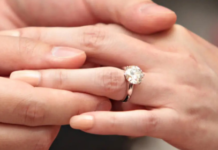



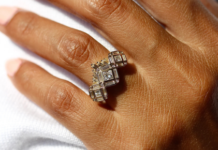


Engagement rings have always carried meaning, but in 2026, that meaning extends beyond design and symbolism. Buyers are increasingly asking where their jewellery comes from, how it’s made, and what it represents. Ethical engagement rings have moved from a niche choice to a defining standard for modern luxury. Within the collections from Lily Arkwright, this shift is reflected in designs that combine beauty with transparency, offering rings that feel as responsible as they are refined.
A Shift in What Luxury Means
Luxury is no longer defined solely by rarity or price. Today, it also includes awareness and understanding of sourcing, production, and long-term impact. This shift has led many buyers to reconsider traditional jewellery choices in favour of alternatives that align with their values. Ethical engagement rings respond directly to this change. They prioritise responsible sourcing, reduced environmental impact, and clear supply chains, allowing buyers to make decisions with confidence. Collections like those from Lily Arkwright reflect this evolution, offering pieces that balance traditional craftsmanship with modern expectations.
The Role of Lab-Grown Gemstones
One of the key drivers behind the rise of ethical rings is the use of lab-grown gemstones. These stones share the same physical and optical properties as their mined counterparts, but are created in controlled environments. This approach offers several advantages. It ensures consistent quality, reduces uncertainty around sourcing, and allows for greater transparency. For many buyers, this combination makes lab-grown stones a practical and thoughtful choice. Importantly, the visual result remains unchanged. A well-cut lab-grown diamond or gemstone delivers the same brilliance and structure, ensuring that ethical considerations do not come at the expense of design.
Balancing Size, Style, and Responsibility
Carat weight remains an important factor in engagement ring selection, but ethical options allow buyers to approach size differently. Without the same cost constraints associated with mined stones, there is more flexibility in choosing a ring that aligns with personal preferences.
A 1 carat stone offers a refined and balanced look, providing elegance without excess. It suits those who prefer a subtle, everyday style that still feels meaningful. A 2 carat stone, however, introduces a more noticeable presence. The larger size enhances light interaction, creating greater brilliance and visual impact. This doesn’t simply increase scale, it allows buyers to achieve a more expressive design while still maintaining an ethical approach. The ability to choose based on style rather than limitation is a key reason these rings have gained popularity.
Design, Durability, and Everyday Wear
Ethical engagement rings are designed to be worn daily, which means durability and practicality remain essential. High-quality materials and secure settings ensure that the ring maintains its structure over time, regardless of how often it is worn. Versatility also plays a role. Ethical rings are available in a wide range of styles, from minimalist solitaires to more intricate designs, allowing buyers to find something that reflects their personal aesthetic. Maintenance is straightforward. Regular cleaning preserves brilliance, and well-crafted settings ensure that the gemstone remains secure. The result is a piece that feels both reliable and elegant.
Final Thought
The growing popularity of ethical engagement rings reflects a broader change in how people approach luxury. It’s no longer just about how a ring looks, it’s about what it represents. For those seeking a piece that combines beauty with intention, ethical designs offer a compelling choice. They demonstrate that meaningful jewellery can evolve, embracing transparency, responsibility, and modern values while remaining timeless in its appeal.