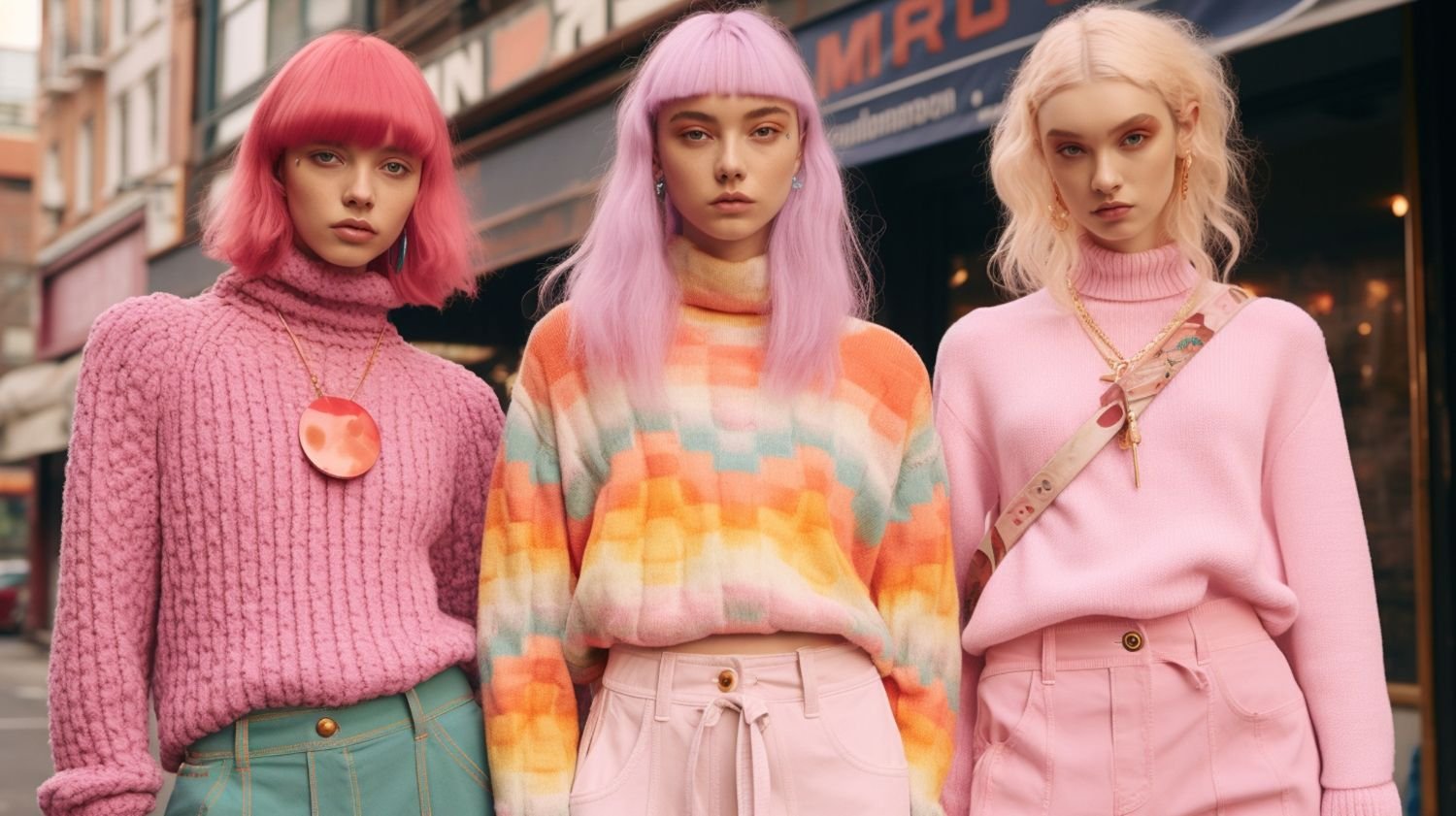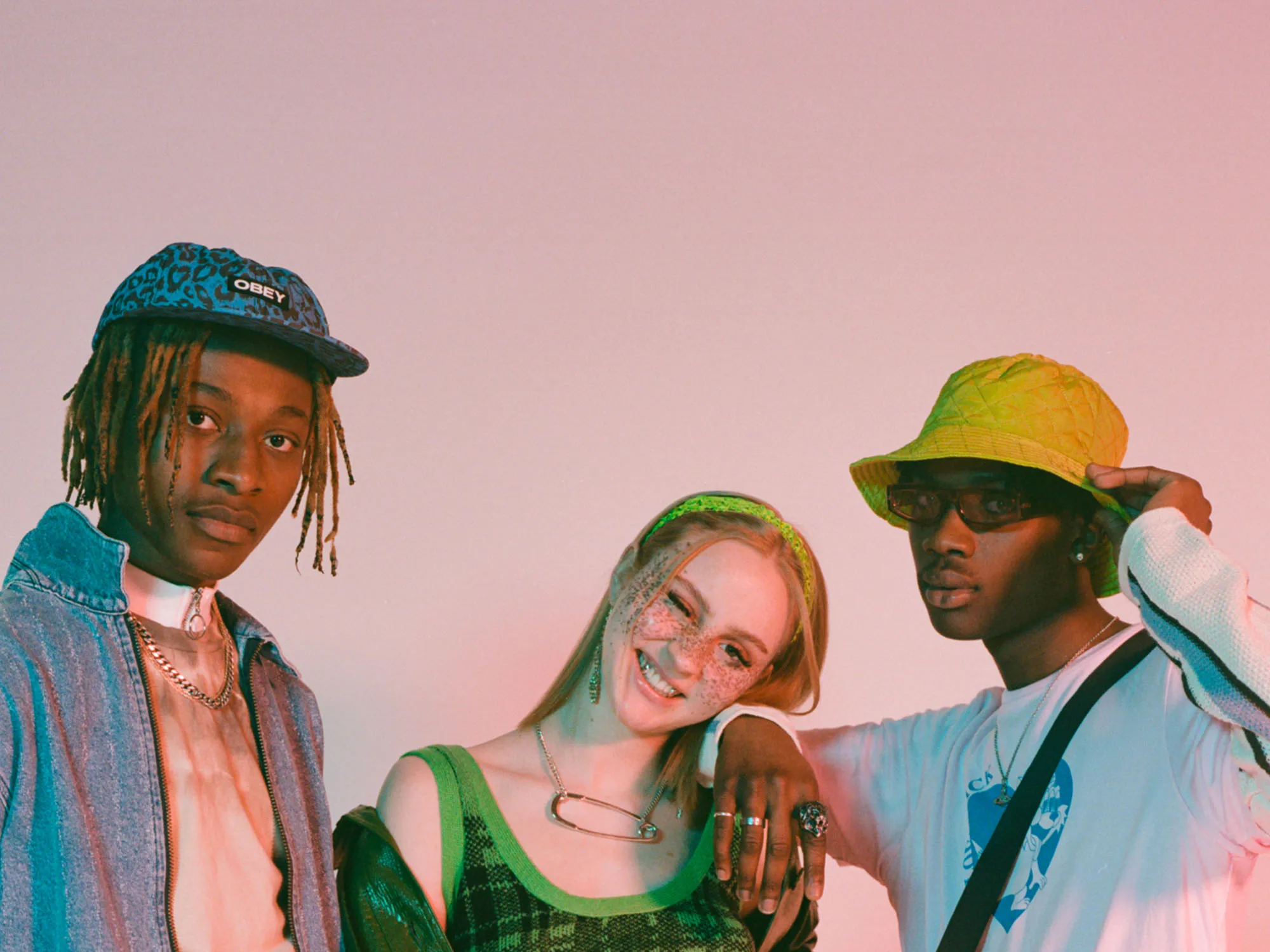
Fashion has always been emotional, even before social media turned every outfit into content. Some days people naturally reach for oversized hoodies and neutral colors. Other days they suddenly want bright sneakers, layered accessories, or dramatic streetwear without fully understanding why.
Clothes quietly reflect mood more than we realize.
But now technology is stepping into that emotional space too. Instead of simply recommending trends or matching colors, a new wave of apps is trying to understand feelings first. Users select moods like “confident,” “tired,” “chaotic,” “romantic,” “productive,” or even “main character energy,” and the app suggests outfit ideas around that emotional state.
It sounds slightly strange at first. Yet somehow it makes perfect sense for Gen Z.
That’s exactly why people are asking: Mood-based fashion styling apps ka trend Gen Z me kyun popular ho raha hai? The answer has less to do with fashion alone and more to do with identity, digital culture, and emotional expression.
Fashion Is No Longer Just About Looking Good
Older generations often treated fashion more practically. Clothes were mainly about appearance, occasion, or status. Gen Z approaches style differently.
For many younger users, outfits are connected to personality, comfort, mental state, online identity, and self-expression all at once. Fashion has become conversational. People don’t just wear clothes anymore — they communicate moods through them.
That’s why aesthetics like “clean girl,” “soft boy,” “dark academia,” “coastal granddaughter,” or “Y2K chaos” exploded online. They’re not simply style categories. They represent emotional atmospheres.
Mood-based apps tap directly into that behavior.
Instead of asking “What’s trending?”, they ask something more personal:
“How do you feel today?”
That subtle shift changes the entire user experience.
Social Media Changed the Relationship With Style
Platforms like TikTok and Instagram pushed fashion into everyday storytelling. People now document ordinary routines, coffee runs, airport looks, gym fits, and even lazy Sunday outfits.
As a result, styling pressure increased too.
Gen Z users often want variety without spending hours planning outfits daily. Mood-based apps reduce decision fatigue by creating outfit suggestions that align with emotional energy rather than just fashion rules.
And honestly, that feels more human.
A person having an emotionally exhausting week probably doesn’t want sharp formal styling recommendations. They may naturally gravitate toward relaxed silhouettes, softer textures, or comfort-focused outfits instead.
These apps recognize that emotional context matters.
Technology Is Becoming More Personal
What makes these apps interesting is how personalized they’re becoming. Some platforms track saved styles, color preferences, weather conditions, music habits, and browsing behavior to improve recommendations.
A few experimental apps even connect mood tracking with wearable tech or journaling patterns.
Now, not every recommendation is magically accurate. Sometimes the suggestions feel hilariously random. But users still enjoy the process because it feels interactive and emotionally aware rather than purely transactional.
That emotional customization is a huge reason why younger audiences engage with these apps repeatedly.
Gen Z Values Emotional Authenticity
One thing Gen Z often prioritizes is authenticity — or at least the feeling of it.
Perfectly polished influencer culture has slowly started losing some appeal. People now openly discuss burnout, anxiety, overstimulation, social exhaustion, and emotional fluctuation online. Fashion naturally became part of those conversations too.
Some days people want dopamine dressing. Other days they want invisible comfort clothing.
And honestly, Mood-based fashion styling apps ka trend Gen Z me kyun popular ho raha hai? becomes easier to understand once you realize Gen Z doesn’t separate emotions from aesthetics anymore. The two are deeply connected.
Fashion recommendations based only on body type or trends now feel slightly outdated to many younger users.
The Rise of Comfort-Centered Fashion
Another reason behind this trend is the shift toward comfort-first styling after the pandemic years.
People became emotionally attached to clothes that felt calming, cozy, and wearable rather than aggressively formal. Oversized fits, relaxed streetwear, sneakers, soft fabrics, and layered casual looks became everyday essentials.
Mood-based styling apps adapted perfectly to this cultural shift. Instead of forcing rigid “fashion rules,” they encourage intuitive dressing.
That approach feels less judgmental and more emotionally flexible.
For Gen Z especially, fashion isn’t always about impressing others anymore. Sometimes it’s simply about regulating mood and feeling emotionally aligned with the day.
Brands Are Paying Attention Too
Fashion brands noticed this behavioral shift quickly.
Many now market collections using emotional language instead of traditional luxury messaging. Campaigns focus on confidence, comfort, nostalgia, self-care, creativity, or emotional freedom.
Apps that combine mood psychology with styling recommendations fit naturally into that marketing ecosystem.
And from a business perspective, it’s smart. Emotion-driven shopping often increases engagement because users feel personally connected to the experience.
Of Course, There’s a Slightly Weird Side Too
At the same time, there’s something mildly funny about needing an app to decide what matches your mood.
Some critics argue that over-personalized technology risks making people dependent on algorithms even for self-expression. There’s probably some truth there.
Fashion used to involve spontaneous experimentation. Now apps increasingly guide aesthetic choices through data patterns and behavioral predictions.
Still, most users treat these apps more like inspiration tools rather than strict rules. They browse, save ideas, remix outfits, and adapt suggestions to their own personalities.
So the relationship remains relatively playful for now.
Final Thoughts
Mood-based fashion styling apps are becoming popular because they reflect how Gen Z already experiences fashion — emotionally, digitally, and personally.
These platforms don’t just recommend clothes. They create small moments of emotional validation inside everyday routines. And in a world where people constantly shift between online identities, social pressure, and emotional overload, that kind of personalization feels comforting.
Will this trend evolve further? Probably.
Fashion technology is moving toward experiences that feel less robotic and more emotionally aware. Whether that’s exciting or slightly unsettling depends on perspective. But one thing is clear: Gen Z doesn’t just want fashion advice anymore.
They want fashion that understands the vibe first.