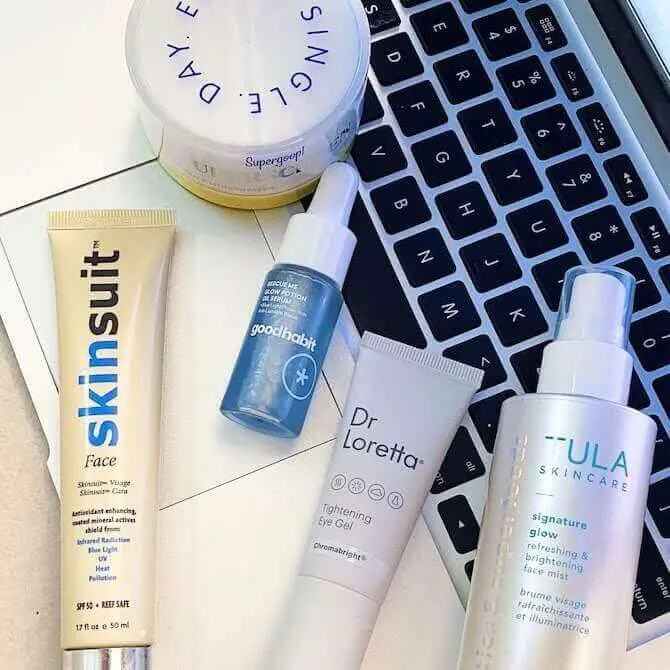
A few years ago, hardly anyone talked about blue light affecting the skin. People were busy worrying about sunlight, pollution, stress, acne, and maybe late-night junk food. But now, suddenly, blue light protection has become a whole skincare category. Serums, sunscreens, moisturizers, face mists — everyone seems to be promising “digital protection.”
Naturally, that raises a fair question: Blue light skincare products sach me skin damage reduce karte hain kya? Or is this just another trendy skincare fear packaged nicely for marketing?
Honestly, the answer sits somewhere in the middle. Some concerns are backed by science. Some are definitely exaggerated. And like many beauty trends, the truth becomes clearer when you remove the dramatic advertising language.
What Exactly Is Blue Light?
Blue light is part of visible light, and we’re exposed to it daily. The biggest source is the sun itself — not your phone. That part often gets ignored in social media conversations.
Still, digital devices like smartphones, laptops, tablets, and LED lighting also emit blue light, although in much smaller amounts. Since most people now spend eight to ten hours staring at screens every day, researchers have started studying whether constant exposure may contribute to skin stress over time.
Some early studies suggest prolonged blue light exposure may increase oxidative stress in skin cells. That basically means the skin experiences more free radical activity, which can contribute to pigmentation, dullness, and premature aging in certain people.
But here’s the important thing: the damage level from screens is nowhere near direct UV sun exposure.
That distinction matters.
Why Some Dermatologists Are Paying Attention
Even though screen-emitted blue light isn’t as aggressive as UV rays, dermatologists have noticed that people with melasma or hyperpigmentation sometimes experience worsening discoloration after long-term visible light exposure.
This seems especially relevant for deeper skin tones, including many Indian skin types, which are naturally more reactive to pigmentation changes.
That’s why some skincare brands started creating products focused on antioxidant protection. Ingredients like niacinamide, iron oxides, vitamin C, green tea extract, and lutein are now commonly marketed as blue light defense ingredients.
And to be fair, many of those ingredients are genuinely useful for skin health overall — even beyond blue light concerns.
The Marketing Sometimes Gets Ahead of the Science
This is where things become slightly messy.
Some brands talk about blue light as if your phone screen is secretly frying your face every night. That’s not really accurate. If screens caused dramatic skin destruction, dermatologists would probably be sounding alarm bells everywhere by now.
The reality is much more subtle.
Most experts agree that sun exposure, poor sleep, smoking, dehydration, stress, and pollution still play much larger roles in visible skin aging than digital screens.
So if someone spends thousands on blue light creams while ignoring sunscreen completely, the priorities are probably misplaced.
A good sunscreen remains far more important than any “digital defense” serum.
Skincare Products That Actually Make Sense
That said, not all blue light skincare products are useless. Some are actually pretty smart formulations hiding behind trendy branding.
Products rich in antioxidants can help neutralize free radicals caused by environmental stress in general. Whether those free radicals come from pollution, sunlight, or minor blue light exposure, antioxidants support healthier skin anyway.
Tinted sunscreens containing iron oxides are especially interesting because they help block visible light more effectively than regular sunscreens alone. Dermatologists often recommend them for people dealing with stubborn pigmentation.
So in many cases, the product works — just maybe not for the dramatic reason advertised on Instagram reels.
Lifestyle Still Matters More Than Fancy Creams
There’s also another angle people forget.
Most heavy screen users also have unhealthy routines attached to that lifestyle. Late-night scrolling, reduced sleep, dry indoor air, stress, poor hydration, skipped workouts — all of these affect the skin significantly.
Sometimes people blame “blue light damage” when the bigger issue is simply exhaustion and burnout showing up on the face.
A skincare product can only do so much if someone sleeps four hours daily and spends weekends surviving on coffee and instant noodles.
Skin health is annoyingly holistic that way.
The Psychological Side of Modern Skincare
Interestingly, the popularity of blue light skincare also reflects how modern life has changed. People spend huge portions of their lives online now. Work, entertainment, shopping, relationships — everything happens through screens.
So it’s not surprising that skincare brands started adapting their messaging around digital lifestyles. In some ways, these products are less about fear and more about reassurance. They make consumers feel protected in a hyper-connected world.
And honestly, there’s nothing wrong with wanting that extra layer of care — as long as expectations stay realistic.
So, Are They Worth Buying?
For most people, blue light skincare products should probably be viewed as supportive skincare rather than essential protection.
If a product contains proven ingredients like antioxidants, niacinamide, peptides, or iron oxides, it may absolutely benefit the skin overall. But buying something solely because it claims “screen protection” probably isn’t necessary.
At the end of the day, Blue light skincare products sach me skin damage reduce karte hain kya? The honest answer is: maybe a little, under certain conditions — but they’re definitely not miracle shields against digital life.
Good sleep, sunscreen, hydration, balanced nutrition, and stress management still matter far more than any trendy label sitting on a skincare shelf.
And honestly, skin usually responds better to consistency than hype anyway.