For a long time, vending machines in India had a pretty boring reputation. Most people associated them with dusty railway stations, outdated coffee dispensers, or snack machines that somehow never worked properly. Nobody really looked at them as part of the future of food business.
But things are changing now — and surprisingly fast.
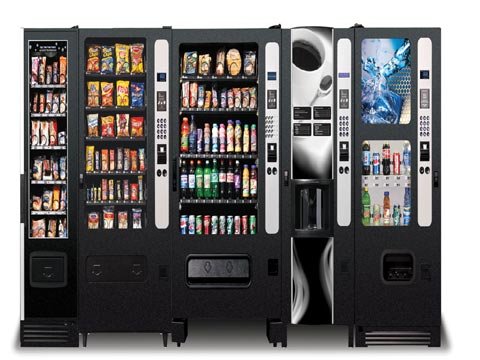
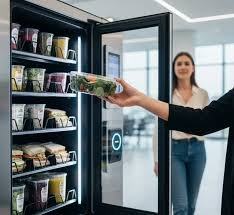
Walk into a modern office building, tech park, airport, college campus, or even some residential societies today, and you’ll notice smarter vending setups appearing quietly in corners. These aren’t just selling chips and cold drinks anymore. Some offer fresh meals, protein bowls, ice cream, tea, coffee, regional snacks, salads, frozen food, and even hot ready-to-eat options.
Naturally, business owners have started wondering: Smart vending machines India ke food business ko kaise change kar rahe hain? The answer goes far beyond convenience. These machines are slowly reshaping how food is sold, consumed, and managed in urban India.
Convenience Has Become a Business Model
Modern customers are impatient — not necessarily in a bad way, just busy.
People want quick access to food without standing in long queues or waiting for staff availability. This is especially true in cities where work schedules stretch unpredictably and food delivery delays are becoming increasingly common during peak hours.
Smart vending machines fit perfectly into that lifestyle.
A person working late at night in a corporate office can grab a sandwich or coffee in under a minute. A student inside a hostel can access snacks without leaving campus. A gym member can buy protein drinks immediately after a workout.
That kind of accessibility creates consistent demand.
And unlike traditional food counters, vending machines don’t need full-time staff standing nearby all day.
Technology Made the Machines Smarter
Earlier vending machines felt mechanical and limited. Today’s versions are much more intelligent.
Many modern systems include:
- Digital payment integration
- Inventory tracking
- Temperature monitoring
- AI-driven restocking alerts
- Touchscreen interfaces
- Real-time sales analytics
- Remote management systems
Some machines even track which products sell faster during specific times of the day. That data helps businesses optimize inventory more efficiently than traditional retail setups.
And in a country where digital payments exploded after UPI adoption, smart vending suddenly became far more practical than it would’ve been ten years ago.
Cashless behavior changed everything.
The Pandemic Shifted Consumer Habits
COVID-19 also accelerated acceptance of contactless food systems.
People became more comfortable with self-service technology. Touchless payments, minimal human interaction, and hygienic packaging suddenly mattered more than before.
Even after the pandemic eased, those habits remained.
Businesses realized vending machines could continue operating inside offices, hospitals, or public spaces with lower operational complexity than full cafeterias.
Interestingly, many startups entered this space during that period because the economics started making sense.
Food Startups Are Experimenting Aggressively
One fascinating thing about India’s vending machine growth is how creatively businesses are using the model.
It’s no longer limited to multinational snack brands.
Today, startups are experimenting with:
- Fresh regional meals
- Healthy office snacks
- Millet-based products
- Tea and coffee bars
- Desserts
- Frozen momos
- Protein-focused foods
- Organic beverages
Some brands are even creating vending machines dedicated entirely to niche categories.
That experimentation is why Smart vending machines India ke food business ko kaise change kar rahe hain? has become such a relevant discussion among entrepreneurs recently.
The machines are no longer just selling products. They’re becoming micro-retail food outlets.
Lower Operational Costs Attract Businesses
Running a traditional food outlet in India comes with endless challenges:
- High rent
- Staff salaries
- Utility costs
- Inventory wastage
- Licensing complexities
- Operational management
Smart vending setups reduce many of these problems significantly.
Of course, machines still require maintenance and refilling. But compared to managing a full café or kiosk, the operational structure is much lighter.
For smaller food brands especially, vending machines create an interesting expansion opportunity. Instead of opening expensive physical stores everywhere, they can place machines strategically in high-footfall locations.
That flexibility lowers entry barriers.
Urban India Is Driving the Trend First
Right now, this shift is happening more aggressively in metro cities and large urban areas.
Places like Bengaluru, Mumbai, Hyderabad, Gurgaon, Pune, and Delhi already have work cultures and customer behavior that support quick-service automated food systems naturally.
Tech parks, co-working spaces, airports, universities, and hospitals are becoming key locations for smart vending growth.
Tier-2 cities may take longer to adopt the trend fully, but gradual expansion seems inevitable as infrastructure improves.
The Human Side Still Matters
Even with all this automation, food remains emotional in India.
People still value freshness, taste, trust, and familiarity deeply. Nobody wants food that feels robotic or stale. That’s why vending businesses succeeding right now focus heavily on product quality and convenience together.
The machine itself isn’t the attraction anymore. The experience is.
If the food disappoints repeatedly, customers won’t return regardless of how advanced the technology looks.
And honestly, Indian consumers are extremely vocal when food quality feels compromised.
There Are Still Challenges Ahead
Of course, vending businesses aren’t magically easy.
Machines require regular servicing. Refrigeration systems must remain stable. Product spoilage risks exist. Theft, vandalism, power issues, and maintenance costs can become serious concerns depending on location.
Consumer trust is another factor.
Many people still hesitate buying fresh meals from machines because the concept feels unfamiliar compared to ordering directly from restaurants or local vendors.
So while growth potential exists, the industry still has to earn long-term consumer confidence.
Final Thoughts
Smart vending machines are quietly becoming part of India’s evolving food ecosystem — not because they look futuristic, but because they solve practical urban problems efficiently.
Faster service, lower operating costs, digital payments, and changing customer behavior are all pushing this model forward. And as food startups continue experimenting, these machines will probably become more personalized, data-driven, and locally adapted over time.
Will they replace restaurants or street food culture? Definitely not.
India’s food culture is too social and emotional for that. But they are carving out a very real space between convenience and technology — and that space is growing faster than many people expected.