Travel trends usually move in loud directions first. Beach parties, luxury resorts, crowded hill stations, nightlife hotspots, adventure sports — these experiences dominate social media feeds constantly. But somewhere quietly, almost away from the noise itself, another kind of travel trend has been growing in India.
People are traveling to look at the sky.
Not metaphorically. Literally.
Across remote deserts, mountain villages, forest edges, and isolated landscapes with minimal light pollution, travelers are increasingly booking stays focused on stargazing, astrophotography, night sky observation, and cosmic experiences. And honestly, the appeal makes more sense once you experience a truly dark sky after years of urban life.
That’s why many travel enthusiasts are now asking: India me astronomy tourism niche travel trend kyun ban raha hai?
The answer has surprisingly little to do with science alone.
Urban Life Made People Forget the Night Sky
Most city residents barely see stars anymore.
In large urban centers, light pollution has become so intense that even clear skies often look empty. People grow up seeing maybe a handful of bright stars at best. Entire generations have become disconnected from something humans naturally lived with for thousands of years.
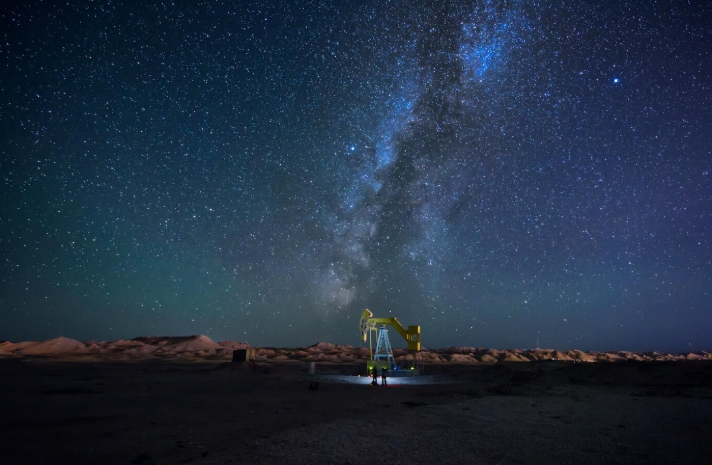
Then suddenly they visit a remote location — maybe in Ladakh, Rajasthan, or the high-altitude regions of Himachal Pradesh — and the sky looks overwhelming.
You can actually see the Milky Way.
That experience hits people emotionally more than expected. It creates a strange mix of calmness, curiosity, and perspective that’s difficult to explain properly until you witness it yourself.
Travel Is Becoming More Experience-Driven
Another reason astronomy tourism is growing is because travelers increasingly want experiences instead of standard sightseeing routines.
Many people are honestly tired of overcrowded tourist spots where half the experience becomes managing traffic, crowds, waiting lines, and endless phone photography.
Astronomy tourism feels slower.
Instead of rushing through itineraries, people spend time:
- Watching meteor showers
- Learning constellations
- Capturing astrophotography
- Attending telescope sessions
- Listening to astronomy experts
- Simply sitting quietly under open skies
There’s something unusually peaceful about that kind of travel, especially for urban professionals constantly surrounded by screens and noise.
Social Media Surprisingly Helped the Trend
Ironically, digital culture helped revive interest in the night sky.
Astrophotography content on platforms like Instagram and YouTube made people realize how visually stunning dark-sky destinations can be. Photos of star trails, Milky Way landscapes, lunar eclipses, and meteor showers created curiosity among younger travelers.
Once people started seeing these experiences online, demand naturally followed.
And unlike heavily commercialized travel trends, astronomy tourism still feels somewhat undiscovered to many travelers — which makes it even more appealing.
India Actually Has Incredible Stargazing Locations
One interesting thing is that India naturally has strong potential for astronomy tourism because of its geographic diversity.
Regions with:
- High altitude
- Dry weather
- Minimal light pollution
- Clear atmospheric conditions
…create ideal stargazing environments.
Places like:
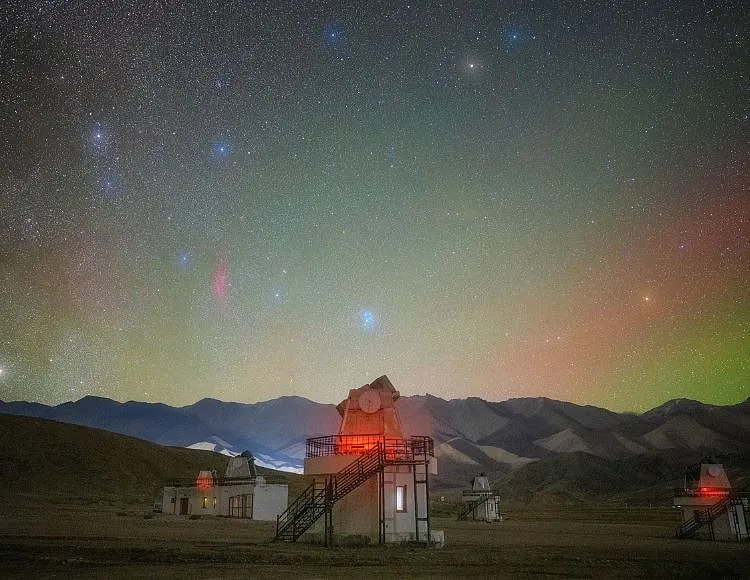
- Hanle in Ladakh
- Spiti Valley
- Rann of Kutch
- Certain desert regions in Rajasthan
- Remote Himalayan villages
…are becoming increasingly popular among astronomy-focused travelers and photographers.
Some destinations even combine astronomy tourism with local culture, eco-tourism, and nature stays, creating more immersive experiences overall.
The Trend Connects With Mental Wellness Too
This part rarely gets discussed enough.
Modern life feels overstimulating for many people now. Notifications, deadlines, traffic, social media pressure, constant online presence — everything competes for attention endlessly.
Astronomy tourism offers the opposite energy.
Dark-sky travel encourages stillness. Silence becomes part of the experience. People spend hours looking upward without multitasking or scrolling constantly.
And honestly, India me astronomy tourism niche travel trend kyun ban raha hai? becomes easier to understand once you realize people aren’t just searching for stars. They’re searching for disconnection from noise.
In some strange way, staring at enormous skies reminds people how small everyday stress can feel.
Younger Travelers Want “Meaningful” Escapes
There’s also a generational shift happening in travel behavior.
Many younger travelers now prefer experiences that feel memorable, emotional, or intellectually interesting rather than purely luxurious. Astronomy tourism fits naturally into that preference because it combines:
- Adventure
- Nature
- Science
- Photography
- Reflection
- Uniqueness
And unlike highly commercial tourist attractions, stargazing still feels relatively authentic.
You can’t completely manufacture the experience of seeing a perfectly clear night sky. Nature either delivers it or it doesn’t.
That unpredictability oddly makes the experience feel more valuable.
Challenges Still Exist
Of course, astronomy tourism in India still remains a niche segment for now.
Infrastructure limitations are a major issue in many ideal stargazing regions. Remote areas often struggle with:
- Limited accommodation
- Harsh weather
- Difficult transport
- Weak connectivity
- Seasonal accessibility
Ironically though, some travelers actually enjoy that remoteness because it enhances the feeling of escape.
Another challenge is awareness. Many people still don’t fully understand what astronomy tourism even involves beyond basic stargazing.
The industry is still evolving gradually.
Eco-Tourism and Astronomy Tourism May Grow Together
Interestingly, dark-sky tourism naturally encourages conversations around environmental preservation too.
Excessive urban lighting affects ecosystems, wildlife behavior, energy consumption, and sky visibility itself. Some astronomy tourism initiatives now promote responsible lighting practices and eco-conscious tourism models.
In that sense, astronomy tourism isn’t only about travel. It quietly intersects with sustainability awareness as well.
Final Thoughts
Astronomy tourism is becoming popular in India because modern travelers increasingly crave experiences that feel peaceful, meaningful, and emotionally different from ordinary tourism.
People are exhausted by overstimulation. They want silence sometimes. Open skies. Slower evenings. A reminder that the world is larger than office schedules and phone notifications.
And perhaps that’s why this travel trend feels so interesting.
Unlike many modern tourism experiences built around speed and consumption, astronomy tourism asks people to do something surprisingly simple: stop, look up, and stay still for a while.
For many travelers today, that may actually be the rarest luxury of all.