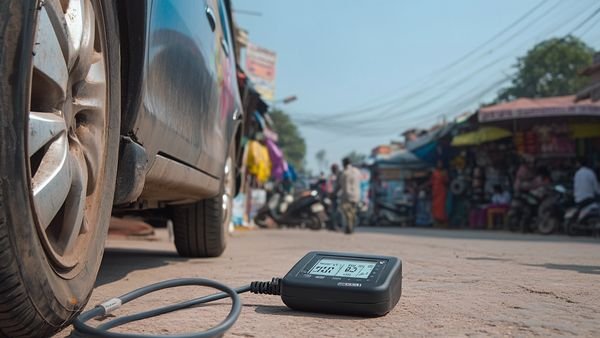
Anyone who drives regularly in India knows one thing very well — our roads can surprise you anytime. One stretch feels smooth and modern, and the next minute you’re dodging potholes, uneven patches, random debris, or waterlogged lanes. In conditions like these, tyres quietly take the maximum beating. Yet most drivers rarely think about tyre pressure unless a puncture happens.
That’s exactly why modern monitoring technology is getting attention now. Cars are becoming smarter, connected, and more safety-focused. Among these upgrades, AI-based tyre pressure monitoring systems Indian roads par kitne useful hain? is a question many car owners have started asking seriously, especially after noticing rising fuel costs and expensive tyre replacements.
The answer isn’t as simple as “very useful” or “just a gimmick.” It depends on how people drive, where they drive, and whether they actually pay attention to vehicle maintenance in the first place.
The Everyday Problem Most Drivers Ignore
Low tyre pressure sounds like a small issue, but honestly, it creates a chain reaction. Poor pressure affects fuel efficiency, braking distance, tyre lifespan, steering response, and even suspension performance. In Indian cities where stop-and-go traffic is already exhausting, underinflated tyres quietly increase fuel consumption day after day.
Then there’s highway driving. Long-distance routes in states like Rajasthan, Maharashtra, or Uttar Pradesh often involve extreme heat. Hot roads naturally increase tyre stress. A weak tyre with improper pressure can become dangerous faster than many drivers realize.
Traditional TPMS systems already exist in several modern cars, but AI-driven systems are trying to go one step further. Instead of merely showing pressure numbers, these systems analyze driving patterns, temperature variations, road conditions, and load distribution to predict potential tyre-related issues before they become serious.
That predictive part is where things get interesting.
Indian Roads Are Unpredictable by Nature
A technology built for smooth European highways may not always work perfectly in India. Our road ecosystem is messy, diverse, and sometimes chaotic. One driver may spend most of the day inside urban traffic, while another drives through dusty village roads with overloaded vehicles.
AI systems learn from patterns. Over time, they can identify abnormal pressure drops, uneven wear, or heat buildup more intelligently than conventional warning lights.
For example, if one tyre consistently loses pressure faster after driving through rough terrain, the system may alert the driver much earlier than a basic sensor would. Some premium systems even connect with mobile apps and provide maintenance suggestions.
That kind of real-time awareness can genuinely help Indian drivers who often postpone servicing until a visible problem appears.
Fuel Prices Alone Make These Systems Relevant
Let’s be honest — fuel prices have changed driving habits in India. People are more conscious now about mileage than they were a few years ago. Even a slight drop in tyre pressure can reduce fuel efficiency noticeably over time.
For cab drivers, delivery operators, highway commuters, and commercial vehicle owners, maintaining correct pressure is no longer just about safety. It directly impacts monthly expenses.
This is where smart monitoring systems quietly deliver value. They remove guesswork. Drivers no longer need to manually check tyres every week or rely on visual inspection, which is often inaccurate anyway.
And unlike older systems that only trigger alerts during emergencies, AI-powered monitoring continuously studies tyre behavior in the background.
The Technology Still Has Some Limitations
Of course, not everything about these systems is perfect. Many affordable aftermarket products still struggle with accuracy, sensor durability, or connectivity problems. Dust, heat, and rough usage conditions in India can shorten sensor life if the product quality isn’t good.
Another issue is driver behavior itself.
Some people simply ignore warnings. Even when dashboards flash alerts, drivers continue using vehicles for weeks without inspection. Technology can only help if users respond properly.
There’s also the cost factor. Budget car owners may hesitate to spend extra money on advanced monitoring systems, especially when basic maintenance habits are already weak.
But honestly, this situation feels similar to how reverse parking cameras were viewed years ago. Initially considered unnecessary luxury features, they gradually became common because people experienced their practical benefits directly.
Commercial Fleets May Benefit the Most
Interestingly, the biggest advantage may not be for luxury car owners but for commercial transport fleets.
Logistics companies, taxi services, buses, and delivery vehicles run continuously under demanding conditions. Tyre damage and breakdowns cost serious money in downtime and repairs. AI monitoring helps fleet operators track multiple vehicles remotely and identify recurring issues early.
Some advanced platforms even generate predictive maintenance reports. Instead of waiting for tyre failure, operators can schedule replacements strategically.
That level of efficiency matters a lot in a country where transport delays already affect businesses heavily.
Safety Awareness Is Finally Growing
A few years ago, Indian buyers mainly focused on mileage and styling. Safety features came later in the conversation. Thankfully, that mindset is slowly changing now.
Consumers are asking more questions about airbags, ADAS systems, crash ratings, and preventive safety technology. In that environment, smart tyre monitoring naturally fits into the broader shift toward safer driving habits.
Interestingly, AI-based tyre pressure monitoring systems Indian roads par kitne useful hain? becomes easier to answer once people experience sudden tyre failure themselves. Most drivers who’ve faced a highway blowout or severe puncture understand how quickly things can turn risky.
Final Thoughts
AI-powered tyre pressure monitoring systems won’t magically solve every road safety issue in India. They’re not replacements for good driving habits or regular servicing. But they absolutely add another layer of awareness that many drivers genuinely need.
On Indian roads — where weather, terrain, traffic, and infrastructure constantly change — early warnings matter more than people think. Even small improvements in tyre management can improve safety, save fuel, and reduce long-term maintenance costs.
Right now, the technology still feels somewhat premium. But looking at how quickly connected car features are spreading across the Indian market, it probably won’t stay niche for very long.