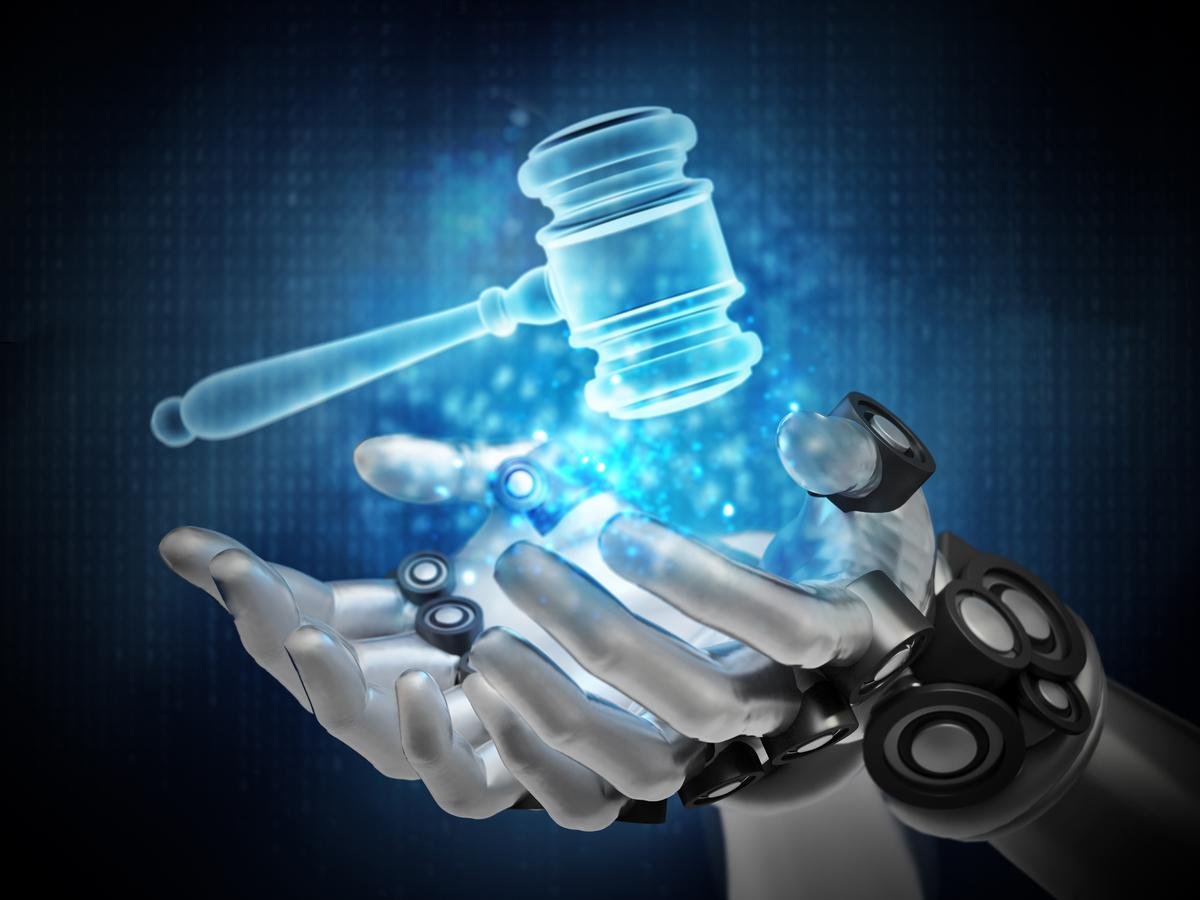
A few years ago, deepfakes felt like internet curiosities — strange AI-generated celebrity videos people shared online for shock value or entertainment. Most people laughed, watched for a few seconds, and moved on. But things changed quickly once the technology became more realistic, accessible, and disturbingly convincing.
Now the conversation around deepfakes feels much heavier.
Governments, cybersecurity experts, lawyers, journalists, and even ordinary social media users are beginning to realize that manipulated digital content isn’t just a tech issue anymore. It’s becoming a legal, ethical, and societal problem that existing cyber laws weren’t really designed to handle.
And honestly, that’s what makes this moment so complicated. Technology evolved faster than regulation did.
Deepfakes Are No Longer Difficult to Create
One reason lawmakers are becoming nervous is simple: the barriers to creating deepfakes have collapsed dramatically.
Earlier, generating believable fake videos required technical expertise, expensive computing power, and a lot of time. Today, AI tools can create convincing voice clones, face swaps, and synthetic videos with shocking ease. Some platforms even automate the process for beginners.
That accessibility changes the scale of potential misuse completely.
Fake political speeches, manipulated evidence, identity fraud, revenge content, financial scams — these risks no longer sound hypothetical. They’re already happening in different forms worldwide.
And unlike older edited media, modern deepfakes can feel emotionally believable at first glance. Humans naturally trust what they see and hear. Deepfake technology exploits that instinct directly.
The Legal System Is Struggling to Catch Up
Cyber laws traditionally focused on hacking, unauthorized access, data theft, or financial fraud. Deepfakes introduce something more psychologically complex: synthetic deception at scale.
How do you legally define manipulated identity?
What counts as consent if someone’s face or voice is digitally replicated? How quickly should platforms remove harmful deepfake content? Who becomes liable — the creator, the platform, or the distributor?
These questions don’t have universally clear answers yet.
Some countries are drafting AI-specific regulations, while others attempt to modify existing cybercrime laws to cover synthetic media. But legal systems move slowly compared to AI development cycles.
That gap worries experts because misinformation spreads faster than courts operate.
Which explains why discussions around Deepfake technology future cyber law policies ko kaise impact karegi? are becoming increasingly urgent in legal and cybersecurity circles.
Political and Social Risks Are Especially Serious
Perhaps the most dangerous aspect of deepfakes is their potential influence during emotionally sensitive moments.
Imagine a fake political speech spreading hours before an election. Or manipulated military footage triggering panic online before authorities verify authenticity. Even if the content gets disproved later, the initial damage may already shape public opinion.
That’s the terrifying part about digital misinformation: speed matters more than truth sometimes.
Social trust becomes fragile when people can no longer confidently distinguish real content from synthetic manipulation. Ironically, deepfakes create two opposite problems simultaneously — fake content becomes believable, while genuine evidence becomes easier to dismiss.
People may start questioning authentic videos simply because deepfake technology exists.
That erosion of trust could reshape future cyber law far beyond ordinary internet regulation.
Identity Protection Laws May Become Much Stronger
Deepfake risks are also pushing conversations around digital identity rights.
A person’s face, voice, expressions, and likeness now hold legal importance in ways older laws barely anticipated. Some legal experts argue that individuals should gain stronger ownership rights over biometric identity data because AI systems can replicate human appearance so convincingly now.
This could influence future privacy legislation significantly.
Companies collecting voice samples, facial scans, or video data may face stricter responsibilities regarding storage and AI training permissions. Consent laws may become more detailed too, especially around entertainment, advertising, and social media platforms.
And honestly, ordinary users rarely realize how much personal content they already upload publicly every day.
Photos, short videos, voice recordings — all of it potentially feeds future AI manipulation systems.
Detection Technology Is Becoming a Legal Necessity
Interestingly, the rise of deepfakes is also creating demand for deepfake detection systems.
Governments, media organizations, and tech companies are investing heavily in AI tools that analyze inconsistencies in videos, audio patterns, facial movements, and metadata. Some platforms may eventually label AI-generated content automatically.
But it’s turning into an arms race.
As detection improves, deepfake generation improves too. The technology keeps evolving on both sides simultaneously. That constant escalation means future cyber law policies may need flexible frameworks instead of rigid rules that become outdated quickly.
This is partly why experts increasingly ask, Deepfake technology future cyber law policies ko kaise impact karegi? because the issue extends beyond fake videos alone. It touches digital trust, free speech, identity rights, national security, and platform accountability all at once.
Freedom of Expression Complicates Everything
One reason regulation becomes tricky is that deepfake technology itself isn’t always harmful.
Filmmakers use AI-generated visual effects creatively. Educational simulations, dubbing systems, accessibility tools, and entertainment industries all benefit from synthetic media technologies in legitimate ways.
So governments can’t simply ban everything AI-generated outright.
Cyber laws must somehow balance innovation with protection — and that balance rarely comes easy. Overregulation risks harming creative industries and technological progress, while weak regulation leaves people vulnerable to exploitation.
That tension will likely shape future legal debates heavily.
Public Awareness May Become Just as Important as Law
Laws alone probably won’t solve the deepfake problem completely.
Digital literacy may become equally critical. People need better awareness about how AI-generated content works, how misinformation spreads, and why emotional reactions online should sometimes pause before instant sharing.
In many ways, society itself is adapting psychologically to synthetic media.
Future generations may naturally grow more skeptical of digital content authenticity, much like people eventually learned to question edited photos or spam emails. Cultural behavior often evolves alongside technology eventually.
The Internet Is Entering a Different Era
Deepfake technology represents something bigger than another internet trend. It signals a shift into an era where seeing is no longer automatic proof of reality.
That changes everything — journalism, law enforcement, politics, entertainment, personal privacy, and social trust itself.
Cyber laws will almost certainly evolve dramatically over the next decade because of this pressure. New definitions, verification systems, identity protections, and platform responsibilities are likely coming sooner than many expect.
And honestly, the challenge isn’t only technical anymore. It’s deeply human too.