Artificial intelligence has made content creation strangely easy and strangely confusing at the same time.
Today, someone can generate articles, logos, music, voiceovers, illustrations, coding snippets, ad copies, or even short films within minutes using AI tools. What once required full creative teams can now happen through prompts typed into a screen late at night over coffee.
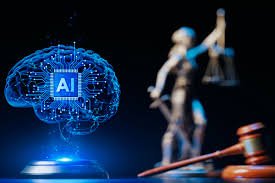
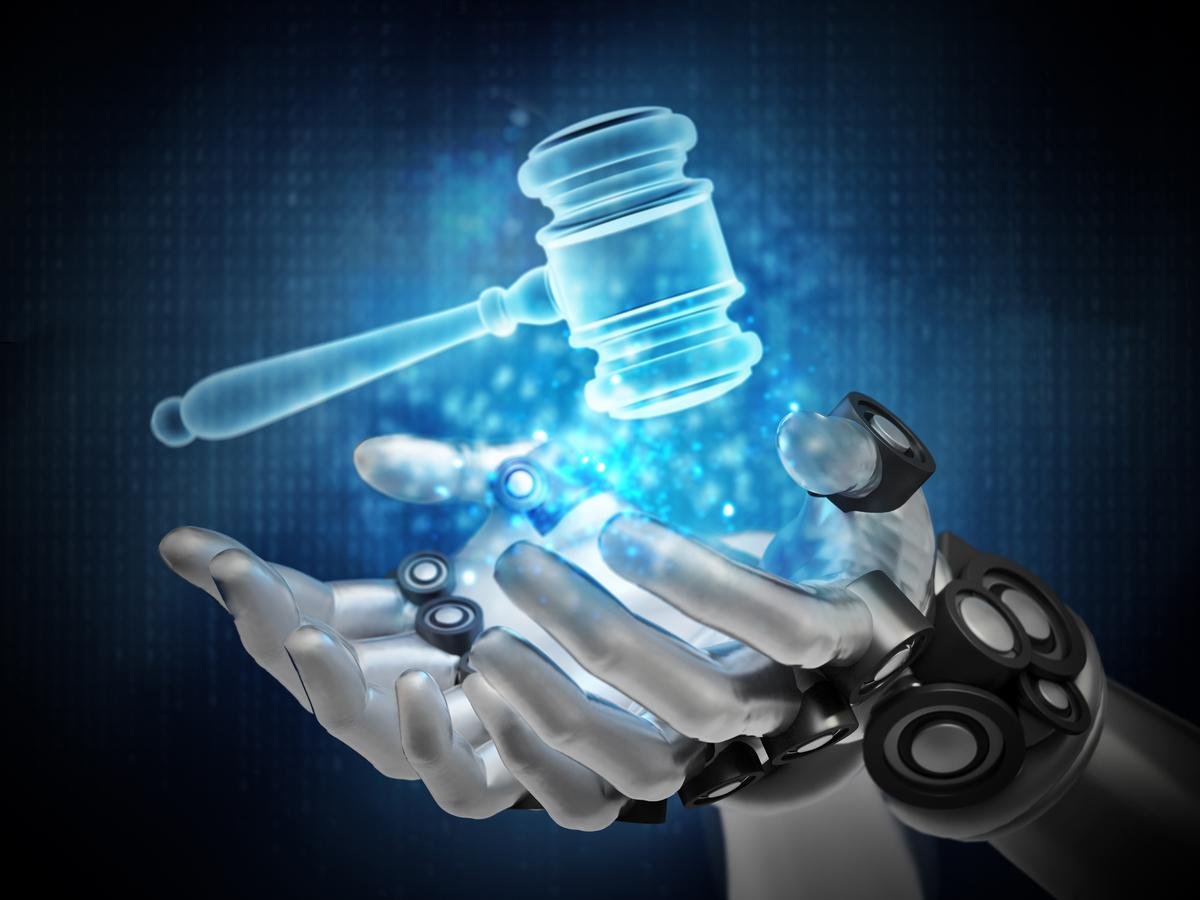
Naturally, excitement around AI creativity is growing. But alongside that excitement, another question is becoming impossible to ignore: who actually owns AI-generated content?
That question becomes even more complicated in countries like India, where technology adoption moves quickly but legal systems often take time to fully adapt. So when people ask, India me AI-generated content copyright disputes ko kaise handle kiya jayega?, they’re really asking something much bigger about creativity, ownership, and the future of digital work itself.
And honestly, nobody has a fully settled answer yet.
Copyright Law Wasn’t Designed for AI
Most copyright laws globally were built around human creators.
Writers wrote books. Artists painted paintings. Musicians composed songs. Ownership was linked directly to human creativity and originality. AI disrupts that structure because machines now participate in the creative process in ways lawmakers never anticipated decades ago.
For example:
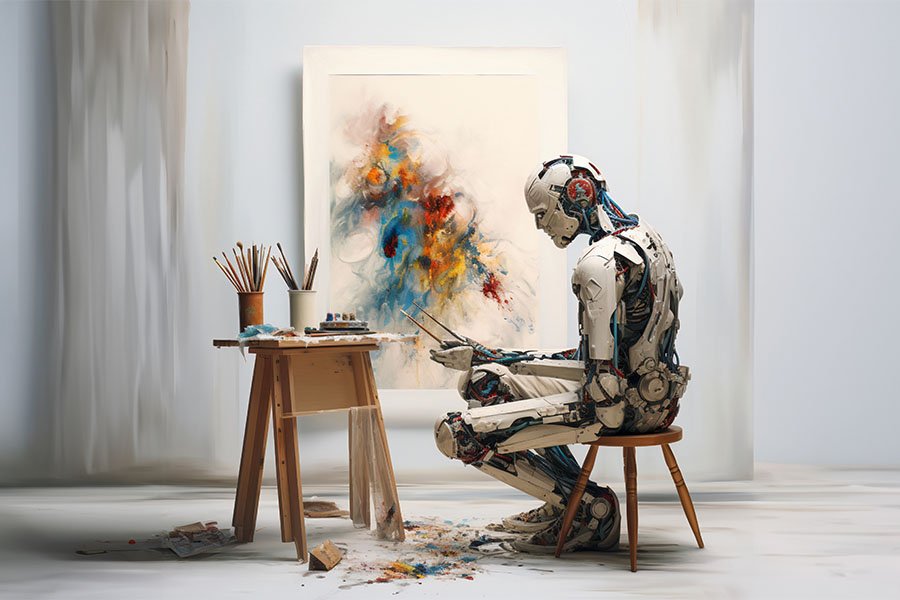
- If an AI generates artwork based on millions of existing images, who owns the final result?
- Does the user own it?
- Does the AI company own it?
- Or do original artists whose work trained the AI have claims too?
These questions are already triggering lawsuits globally, and India will almost certainly face similar legal debates over time.
Indian Businesses Are Adopting AI Faster Than Expected
What makes the situation more urgent is how quickly Indian companies, creators, agencies, and startups are integrating AI tools into daily workflows.
Marketing agencies generate ad copies with AI. YouTubers use AI voiceovers. Designers experiment with image-generation systems. Students use AI writing assistance. Businesses automate blogs, product descriptions, and social media content at massive scale.
In many cases, people aren’t even fully aware of the legal grey areas involved.
They simply see AI as another productivity tool.
But copyright disputes usually emerge later — especially once money, branding, or commercial competition becomes involved.
Ownership May Depend on Human Contribution
One likely direction Indian legal interpretation could take is focusing on human involvement.
If a person heavily edits, modifies, structures, or creatively directs AI-generated material, courts may eventually recognize some level of human authorship in the final work.
But fully automated outputs created with minimal human creativity may face more complicated copyright recognition challenges.
This distinction already appears in conversations happening internationally.
The tricky part is defining “meaningful human contribution.” And honestly, that line is blurry.
If someone writes detailed prompts, selects outputs carefully, edits them significantly, and combines them creatively, is that enough to qualify as authorship? Different legal experts answer differently.
Training Data Could Become the Biggest Battlefield
Another major issue involves AI training itself.
Most generative AI systems learn patterns from enormous datasets that may include books, articles, artwork, photography, code, or music created by real humans.
Critics argue that some AI companies benefited from copyrighted material without explicit permission. Supporters argue that AI learning resembles how humans study and develop inspiration from existing creative works.
That debate is becoming central worldwide.
And eventually, India me AI-generated content copyright disputes ko kaise handle kiya jayega? may depend heavily on how Indian courts interpret fair use, transformative creation, and training data legality.
This area remains legally unsettled almost everywhere right now.
Indian Courts May Initially Move Slowly
Realistically, Indian copyright law will probably evolve through gradual court decisions rather than sudden dramatic legislation overnight.
That’s usually how technology-related legal systems adapt.
At first, individual disputes emerge:
- An artist claims AI copied their style
- A company disputes AI-generated branding ownership
- A publisher challenges automated content usage
- Musicians question AI-generated compositions
Then courts start creating interpretive precedents case by case.
Over time, clearer legal frameworks eventually emerge from those rulings.
But until then, uncertainty will likely continue.
Businesses Will Need Better Documentation
One practical outcome of this uncertainty is that businesses using AI commercially may need stronger documentation processes.
Companies may start tracking:
- Which AI tools were used
- How much human editing happened
- Source references
- Licensing terms
- Prompt records
- Ownership agreements
This sounds boring compared to futuristic AI conversations, but legal clarity often depends on documentation during disputes.
The businesses that ignore this early may face problems later if copyright challenges arise.
Creators Are Both Excited and Nervous
What makes AI copyright discussions emotionally complicated is that creators themselves often feel conflicted.
Many artists, writers, designers, and musicians actively use AI tools because they genuinely improve productivity and experimentation. At the same time, they worry about originality, creative replacement, and unauthorized style imitation.
So the debate isn’t simply “humans versus AI.”
It’s more nuanced than that.
Most creators don’t completely reject AI. They just want fair recognition, transparency, and ethical boundaries around how creative work gets used.
The Technology Is Moving Faster Than Regulation
One reason these disputes feel messy is because AI development moves incredibly fast compared to legal systems.
By the time lawmakers fully understand one generation of AI tools, newer systems already appear with different capabilities and complexities.
This creates a constant catch-up situation.
And honestly, that gap between innovation and regulation may continue for years globally — not just in India.
Final Thoughts
India’s approach to AI-generated copyright disputes will likely evolve gradually through court decisions, policy updates, industry pressure, and global legal influence. There probably won’t be one simple rule that solves everything neatly.
Instead, the future will involve balancing innovation with creator protection carefully.
AI is already becoming deeply integrated into content creation workflows, and that trend won’t reverse. The real challenge now is figuring out how ownership, originality, and fair use should function in a world where machines increasingly participate in creativity itself.
And perhaps that’s the strangest part of all — we’re entering an era where technology can generate content faster than society can define who truly owns it.