Water has a funny way of becoming part of the background. We use it to make breakfast, wash dishes, take showers, fill the kettle, and water the garden. Most days, nobody thinks twice about it. Then one morning the faucet smells strange, the showerhead has white buildup, or the water leaves an odd taste in your coffee. Suddenly, water quality is very much on your mind.
The good news is that many common household water problems can be understood and treated with the right approach. Instead of guessing at the cause, homeowners can start by learning what different water issues look like and what treatment options are actually designed to do.
When Water Has an Unpleasant Smell
One of the quickest ways to notice a water-quality issue is through your nose. A rotten-egg-like odor is particularly memorable and is often associated with hydrogen sulfide in water.
The presence of sulfur can make drinking water unpleasant, even when the water otherwise looks perfectly clear. The odor may be stronger when you turn on hot water because heating can release the gas more noticeably.
There can be several possible sources, including groundwater chemistry and certain plumbing conditions. That’s why testing is useful before choosing equipment. A treatment professional can determine whether sulfur-related compounds are actually present and recommend a system suited to the situation.
Why Whole-House Filtration Can Be Useful
Many homeowners think about water filtration only at the kitchen sink. That’s understandable because drinking water is usually the first priority. But water enters your home through every fixture, not just the faucet where you fill your glass.
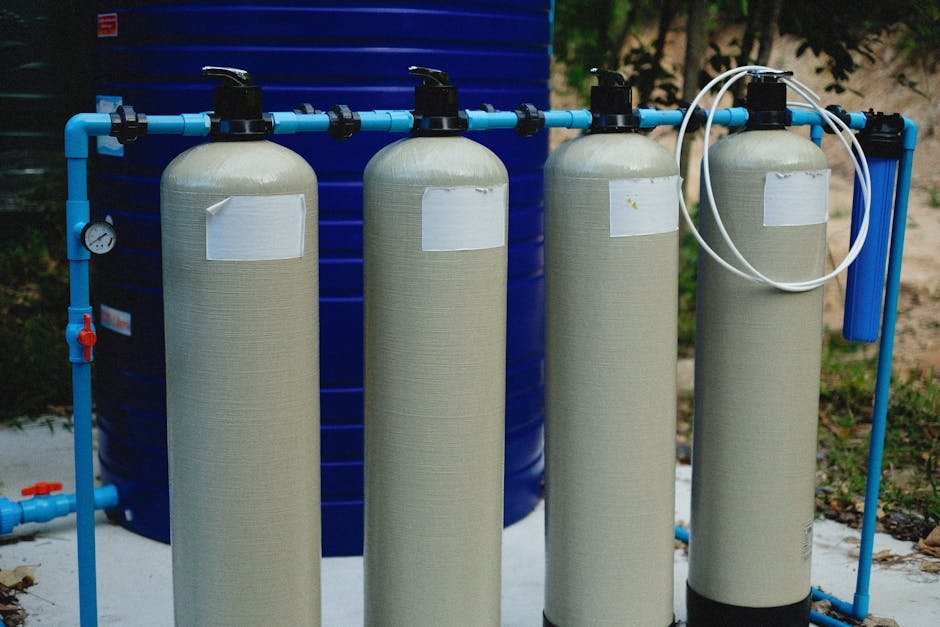
A whole house water filtration system treats water at the point where it enters the property, allowing treated water to travel throughout the plumbing system.
That can be helpful when homeowners want to address water-quality concerns in showers, bathroom faucets, laundry areas, kitchens, and other fixtures. Depending on the system, filtration may target sediment, chlorine, unpleasant tastes and odors, or other specific substances.
The important word here is “specific.” No filtration system removes everything, so the equipment should be selected according to actual water-test results.
Hard Water Is More Than an Annoyance
Hard water is another common issue that tends to reveal itself slowly. Calcium and magnesium can leave scale on faucets, shower doors, dishes, and appliances.
At first, it may just look like a cleaning problem. You wipe the faucet. A few days later, the spots are back. You clean the shower glass. Same story.
Over time, mineral deposits can also accumulate inside water heaters, pipes, and water-using appliances. This is where water softeners can make a meaningful difference. They are designed to reduce hardness minerals, helping minimize the scale associated with hard water.
The correct size and configuration matter, though. A system should be matched to household water usage and the hardness level of the incoming supply.
Testing Before Treating
It can be tempting to search online, read a few product reviews, and order a filter immediately. Sometimes that works. But water chemistry is not identical from one property to another, so a little testing can save a lot of guesswork.
A water analysis may examine hardness, pH, iron, sulfur-related compounds, sediment, dissolved solids, and other characteristics depending on the testing package.
The results give homeowners a clearer picture of what’s happening. If the water has several issues, the treatment system can be designed with multiple stages instead of relying on one piece of equipment to do everything.
That’s a much more sensible approach.
Not Every Filter Does the Same Job
Water filters are often grouped together as though they’re interchangeable. They aren’t.
Sediment filters are designed to capture particles. Carbon filtration is commonly used for taste and odor improvement and can reduce certain chemicals. Water softeners address hardness minerals. Specialized treatment systems may target iron, sulfur, or other specific concerns.
Understanding these differences can prevent a common mistake: buying a filter because it sounds advanced without checking whether it actually addresses the problem in your water.
Fancy equipment isn’t necessarily better equipment.
Think About Your Entire Household
When choosing treatment, consider how your household actually uses water. A family of five with several bathrooms and heavy daily water consumption will have different needs from someone living alone.
Flow rate matters, too. A system that works well at a low flow may struggle when several showers, faucets, or appliances are operating at once.
Homeowners should also consider available installation space, drainage requirements, maintenance schedules, and replacement-part costs. These practical details aren’t as exciting as the technology itself, but they matter once the system is installed.
Maintenance Shouldn’t Be an Afterthought
A water treatment system can only perform well if it’s maintained properly. Filters have service lives. Softening systems require regular attention. Other treatment equipment may need cleaning, inspection, or replacement components.
It’s easy to forget about something sitting quietly in a basement, garage, or utility room. Out of sight, out of mind. But missing maintenance can eventually affect system performance.
Keeping a simple service record can help. Write down installation dates, filter changes, and professional service visits. It takes only a few minutes and can make future maintenance much easier.
Look Beyond the Initial Price
Price is naturally part of the decision, but it shouldn’t be the only factor. A cheaper system may require frequent filter replacements or specialized parts that become expensive over time.
Ask about the total cost of ownership, including installation, maintenance, replacement filters, salt if applicable, electricity, and expected service requirements.
A good water-treatment system should fit your budget without becoming a constant source of expense or frustration.
Making Water Quality Feel Simple Again
Water treatment doesn’t need to become a complicated science project. Start with the basics: identify the symptoms, test the water, understand the results, and choose treatment designed for the actual conditions.
Whether you’re dealing with an unpleasant sulfur odor, hard-water scale, or broader water-quality concerns, the right solution starts with accurate information.
The goal isn’t to install every treatment technology available. It’s to create a practical system that works quietly in the background and gives your household cleaner, more comfortable water day after day.
After all, the best water-treatment system is often the one you barely notice—because it simply does its job.