Water is one of those things we use so often that it becomes almost invisible. We drink it in the morning, cook with it at lunchtime, shower with it after a long day, and use it to clean nearly everything around the house.
Because it’s so familiar, it’s easy to assume that water is simply water.
But every home has its own story. The source, plumbing, minerals, treatment processes, and local conditions can all influence what comes out of the tap. Sometimes the differences are obvious. Other times, you might never notice anything until a faucet develops buildup or a glass of water tastes slightly different.
Understanding your water doesn’t mean becoming a chemistry expert. It simply means paying attention.
Why Water Quality Deserves Attention
When people talk about water quality, they often think only about whether water looks clean. But appearance is just one small part of the picture.
Water can be clear and still contain minerals, chlorine, sediment, or other substances that affect taste, odor, or household use. Conversely, an unusual taste doesn’t automatically mean something is dangerous. There can be many explanations.
That’s why testing can be useful. Rather than guessing based on appearance or smell, homeowners can get a better idea of what’s actually present.
This information can help you decide whether any treatment is necessary—and if it is, what kind makes sense.
Start With the Source
Your water source plays an important role.
Municipal water supplies are treated before reaching homes, while private wells can have different characteristics depending on local geology and groundwater conditions.
Even within the same general area, households can experience differences. Plumbing materials, storage tanks, and the age of the home’s infrastructure may also influence what happens between the source and the tap.
If you’re experiencing a sudden change in taste, odor, color, or pressure, don’t simply assume it’s normal. A change deserves some investigation.
Sometimes the issue is the supply. Sometimes it’s inside the home.
What Water Treatment Actually Means
The phrase water treatment covers a surprisingly wide range of processes.
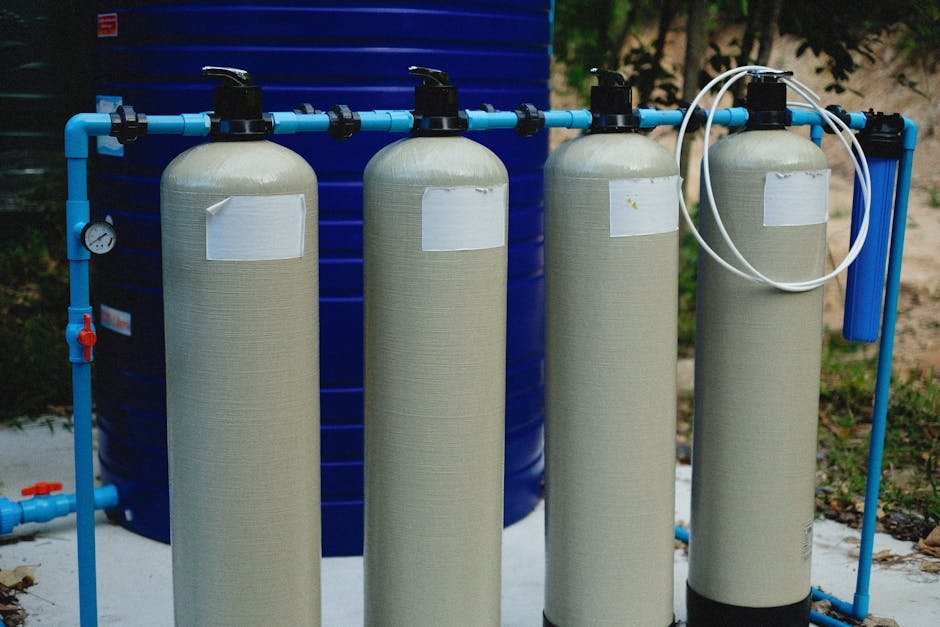
Some systems are designed to reduce sediment. Others address hardness, improve taste, or target specific substances. There are also technologies intended for broader household treatment.
This is why buying a treatment system without knowing your water conditions isn’t always a good idea.
Imagine buying medicine without knowing what you’re treating. It doesn’t make much sense.
The same principle applies to water. Identify the concern first, then choose the technology that is actually designed to address it.
Filtration Isn’t One-Size-Fits-All
When homeowners hear the word water filtration, they often picture a simple cartridge sitting under the kitchen sink.
That can certainly be one option, but filtration systems vary widely.
Some filters focus on sediment and particles. Others are designed to reduce chlorine or improve taste and odor. More advanced systems may use several stages or different technologies to address specific concerns.
The right choice depends on the water source, household needs, and what the testing shows.
A filter that works perfectly for your neighbor might not be the right fit for your home. That’s not unusual. Water conditions can vary more than people expect.
Hard Water Is a Common Household Concern
One of the most noticeable water issues is hardness.
Hard water contains minerals such as calcium and magnesium. These aren’t necessarily something you can see in a glass, but their effects often become obvious around the house.
White spots on dishes, mineral deposits around faucets, and scale inside water-using appliances are familiar examples.
Some people also notice that soap doesn’t lather as easily or that their skin and hair feel different after bathing.
If hardness is significant, a water softener may help reduce those mineral-related problems.
Think Beyond Drinking Water
Drinking water naturally gets most of the attention, but household water has many other jobs.
You shower with it. You wash clothes, clean dishes, make coffee, cook meals, and run appliances with it.
That means a water issue affecting the entire house may require more than a small drinking-water filter.
On the other hand, if your only concern is the taste of the water you drink, a whole-house system might be unnecessary.
The smartest solution is usually the one that matches the actual problem rather than the one with the longest list of features.
Maintenance Matters More Than People Think
Installing treatment equipment isn’t the end of the story.
Filters need to be replaced. Softening equipment requires appropriate maintenance. Other systems may need periodic inspections or component replacement.
It’s easy to forget about equipment that sits quietly under a sink or in a utility room. But neglecting maintenance can reduce performance and potentially shorten the life of the system.
A reminder on your phone can help. Check manufacturer recommendations and keep track of filter changes or service dates.
Small habits are often enough.
Watch for Changes
Your home can give you useful clues.
If water pressure suddenly changes, if a filter becomes clogged unusually quickly, or if the taste and odor seem different, pay attention.
Likewise, if scale suddenly becomes worse or a previously effective system seems less useful, don’t assume you’re imagining it.
Water conditions can change, and equipment can wear out.
When something changes, investigate before replacing everything.
Better Water Starts With Better Decisions
There is no magic system that is perfect for every household. And honestly, that’s a good thing. It means homeowners can choose solutions based on what they actually need.
Start by understanding the source. Test the water when appropriate. Identify the main concern. Then consider treatment options that are designed for that specific issue.
You don’t need to make your home complicated to improve its water.
Sometimes the best result comes from a modest filter. Sometimes it’s a softener. Sometimes it’s a whole-home solution. And sometimes, after testing, you discover that no major change is needed at all.
The point is to know before you buy.
Water is part of nearly every moment at home. Taking a little time to understand it can make everyday life easier—and that’s a worthwhile improvement in itself.