Water has a funny way of becoming invisible. We turn on the faucet without thinking, fill a glass, make coffee, wash vegetables, and move on with the day. It’s only when something changes — a strange taste, a chalky residue, an odd smell — that we suddenly start paying attention.
And maybe that’s not such a bad thing.
Taking a closer look at the water entering your home can reveal plenty about comfort, maintenance, and everyday living. Better treatment isn’t necessarily about making water “perfect.” It’s about understanding what your household needs and finding a practical way to make the water work better for you.
Start With the Water You Actually Have
Every home has its own story when it comes to water.
A property connected to a municipal supply may have different concerns from one using a private well. Local geology, plumbing materials, treatment processes, and environmental conditions can all affect what comes out of the tap.
That’s why water quality shouldn’t be judged only by appearance. Clear water can still contain dissolved minerals or other substances that you can’t see.
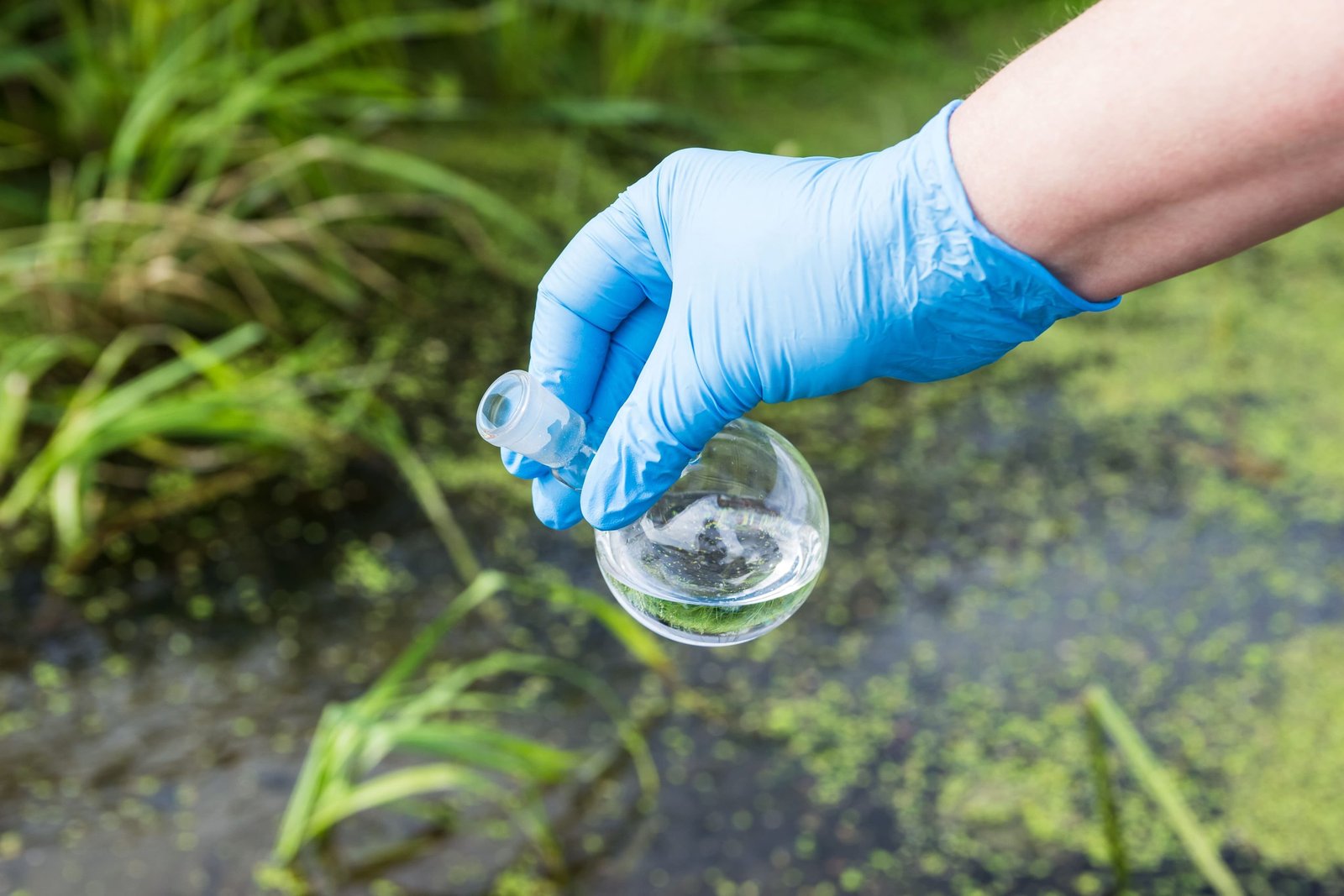
Testing is a sensible first step. It can help identify characteristics such as hardness, pH, iron, sulfur, sediment, and other factors that may influence the right treatment approach.
Instead of guessing, you’re working with information.
When Water Starts Leaving Clues
Sometimes your home gives you little hints that the water could use attention.
White scale around faucets may point toward hardness. Orange staining can be associated with iron. A sulfur-like smell may indicate another type of water-quality concern. Maybe your coffee suddenly doesn’t taste quite right.
None of these signs should automatically send you into panic mode. But they are worth investigating.
Water treatment works best when it’s based on an actual problem rather than a vague idea that “filtered water must be better.”
Once you know what’s happening, you can choose equipment designed for the job.
Finding the Right Balance
There is no single treatment system that’s perfect for every household. That’s an important thing to remember when shopping around.
Some homes benefit from water softening. Others may need carbon filtration to improve taste and odor. Reverse osmosis can be useful for drinking water applications, while specialized systems may address particular contaminants.
The best solution depends on your water, your household’s usage, and what you’re trying to accomplish.
In other words, don’t buy the biggest system just because it has the biggest brochure.
A properly selected system can often do more for you than an oversized collection of equipment that isn’t really necessary.
Perfect Water Isn’t the Point
It’s easy for water treatment advertising to make everything sound like a scientific competition. Cleaner. Purer. Better. More advanced.
But homeowners usually aren’t looking for a laboratory experiment in the kitchen.
They’re looking for water that tastes good, doesn’t leave excessive scale behind, and works well for everyday activities.
That’s what Perfecting the Water for Your Life should really mean — creating a treatment approach that fits your actual routine rather than chasing an unrealistic idea of flawless water.
Maybe your priority is better-tasting drinking water. Perhaps protecting your water heater is more important. Or maybe you’re tired of scrubbing mineral deposits from the shower.
Those practical goals should guide the system you choose.
Whole-House or Point-of-Use Treatment?
Another important consideration is where you want the water treated.
Point-of-use systems focus on individual faucets, often the kitchen sink. They’re convenient when drinking and cooking water are the main priorities.
Whole-house treatment works differently. It treats water as it enters the home, allowing the treated water to flow throughout the property.
If you’re primarily concerned about drinking-water taste, a point-of-use system may be enough. If you’re dealing with hard water, sediment, or odor throughout the house, whole-home treatment may make more sense.
There’s no universal winner. It comes down to the problem you’re trying to solve.
Don’t Forget the Environmental Side
Water treatment can also be part of a broader effort to reduce waste.
For example, homeowners who enjoy better-tasting tap water may be less dependent on single-use bottled water. That can reduce the number of plastic bottles entering the waste stream.
But treatment systems themselves have an environmental impact, too. Filters need replacement, certain systems discharge wastewater, and equipment eventually reaches the end of its useful life.
That doesn’t mean treatment is environmentally harmful. It simply means it’s worth considering the full picture.
Choose efficient equipment when possible, maintain it properly, and dispose of used filters according to appropriate local guidance.
Small choices add up.
Maintenance Makes the Difference
A water treatment system isn’t magic. Even excellent equipment needs regular care.
Filters become saturated. Membranes eventually need replacement. Softening systems may require salt or other servicing. Components can wear down over time.
Neglecting maintenance can reduce performance and make an expensive system feel like a poor investment.
The solution is pretty simple: keep a schedule.
Write down when filters were installed. Check manufacturer recommendations. Have the system inspected when necessary. It takes a little attention, but that’s much easier than dealing with an unexpected breakdown later.
Good Water Is an Everyday Investment
We often spend money improving things we can see — countertops, flooring, appliances, landscaping. Water is different because most of its value is invisible.
You notice it when your coffee tastes better. When dishes come out cleaner. When the shower doesn’t leave quite as much residue. When your appliances aren’t fighting through layers of mineral buildup.
Those aren’t glamorous improvements, but they’re meaningful.
The smartest approach is to test your water, understand the results, and choose treatment technology that addresses genuine needs.
You don’t need to turn your home into a water-treatment laboratory. You just need a system that works with your life.
And perhaps that’s the real goal: not perfect water in some abstract sense, but better water where it matters most — in the ordinary moments that make up your day.