We turn on a tap, fill a glass, and usually give very little thought to what happens before that water reaches our kitchen. It looks clear, smells normal, and tastes fine, so it must be okay, right? Not always. Water can carry minerals, sediment, chemicals, microorganisms, and other unwanted substances that aren’t necessarily visible to the naked eye.
That’s why understanding your home’s water quality is more important than simply assuming your supply is safe and clean. Whether your water comes from a municipal system, private well, or another source, its characteristics can change over time. A little knowledge can go a long way toward protecting your family, plumbing, appliances, and even your wallet.
What Actually Affects Water Quality?
Water quality isn’t just about whether water looks clean. Several factors determine how suitable it is for drinking, cooking, bathing, and everyday household use.
Hard water is one common issue. It contains minerals such as calcium and magnesium. While these minerals aren’t usually considered a health concern at typical levels, hard water can leave chalky deposits on faucets, showerheads, dishes, and appliances. Over time, scale buildup may reduce efficiency and create an endless cleaning chore.
Then there are contaminants that are less obvious. Depending on the source, water may contain chlorine, sediment, lead, iron, sulfur compounds, or other substances. Well water can be particularly variable because its quality depends on local geology, groundwater conditions, and nearby environmental factors.
Even municipal water isn’t necessarily identical from one neighborhood to another. Treatment processes and source water characteristics differ, and the condition of household plumbing can also influence what comes out of a particular faucet.
Testing Should Come Before Guessing
One of the smartest things a homeowner can do is test the water before buying a treatment system.
It sounds simple, but people often work backward. They notice white spots on their glasses and immediately assume they need a softener. Someone else notices an unusual odor and starts looking for a generic filter. The problem is that symptoms don’t always tell the whole story.
A proper water test can identify characteristics such as hardness, pH, iron, manganese, chlorine, and certain contaminants. For private wells, testing may be especially important because there’s no municipal utility continuously managing the supply.
Testing also helps you avoid spending money on equipment you don’t actually need. Water problems aren’t one-size-fits-all, and neither should the solution be.
What Water Treatment Actually Does
The phrase water treatment covers a surprisingly broad range of technologies. There isn’t one magic machine that removes everything from every type of water.
Different systems are designed for different problems.
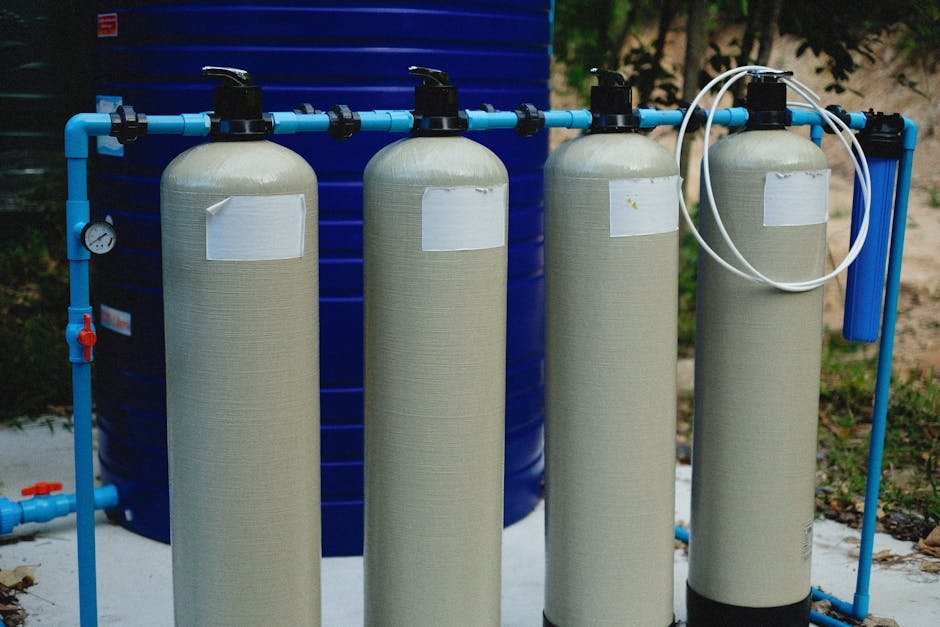
Water softeners, for example, are primarily used to reduce hardness minerals. They can help control scale and make soap work more effectively. Filtration systems can target sediment, chlorine, unpleasant tastes, odors, or specific contaminants depending on the filter media used.
Reverse osmosis is another option, generally used when homeowners want more extensive treatment at a drinking-water tap. It uses a semipermeable membrane to reduce many dissolved substances, although it isn’t automatically the right choice for every home.
For certain situations, specialized treatment may be necessary. Iron and sulfur can require dedicated solutions, while concerns involving particular contaminants should be addressed with equipment specifically certified or designed to reduce those substances.
The key is matching the technology to the water problem. Bigger isn’t necessarily better.
Why Filtration Can Make Everyday Life Easier
For many households, water filtration isn’t about chasing perfectly pure water. It’s about improving the water experience in practical ways.
A properly selected filter may reduce unpleasant chlorine taste, sediment, certain odors, or other targeted contaminants. That can make drinking water more enjoyable, which matters more than it sounds. If the water tastes good, people are often more willing to refill a bottle at home instead of reaching for packaged water.
Filtration can also be useful for specific points of use. A kitchen drinking-water system, for instance, focuses treatment where people actually consume water. A whole-home system takes a different approach, treating water before it travels throughout the house.
Neither option is universally better. It depends on what you’re trying to accomplish.
Whole-Home Systems vs. Point-of-Use Systems
This is where things can get a little confusing.
A whole-home treatment system is installed on the main water line, so treated water reaches showers, sinks, washing machines, and other fixtures. This can make sense when the problem affects the entire supply, such as significant hardness or sediment.
Point-of-use systems, meanwhile, are installed at a particular faucet or appliance. They’re often chosen when the primary concern is drinking and cooking water.
Think of it like this: if your entire house is dealing with a problem, treating one faucet won’t solve much. But if your concern is specifically the quality of drinking water, treating the whole house might be unnecessary.
A good assessment should consider both the water itself and how the household uses it.
Don’t Forget Your Plumbing and Appliances
Water doesn’t exist in isolation. It interacts with your home every day.
Hard water can contribute to scale inside pipes and water-using appliances. Sediment can create problems for fixtures and equipment. Certain water characteristics can also affect the appearance of laundry, dishes, and bathroom surfaces.
Over years, these small annoyances can become expensive repairs or replacements.
That doesn’t mean every household needs an elaborate treatment setup. In fact, unnecessary equipment can create its own headaches if it’s poorly sized, incorrectly installed, or neglected. The goal should be practical protection rather than turning your utility room into a science experiment.
Maintenance Matters More Than People Think
Even a quality treatment system needs attention.
Filters have a service life. Softener components require maintenance. Storage tanks and other equipment should be inspected according to manufacturer recommendations. If a system is ignored for years, its performance can gradually decline.
This is one reason professional installation and periodic servicing can be worthwhile. Proper sizing, installation, and maintenance help a system perform as intended.
Homeowners should also keep records of filter changes and water testing. It takes only a few minutes, and it can make troubleshooting much easier later.
A Smarter Way to Think About Clean Water
There’s no need to become a water chemistry expert to make better decisions. Start with the basics: know your water source, identify noticeable problems, test when appropriate, and choose treatment based on actual results rather than guesswork.
Good water management is ultimately about matching the solution to the situation. A family dealing with hard water needs a different approach from a household concerned about a specific contaminant. Someone with a private well may need a different testing routine than someone using a municipal supply.
And sometimes, the best solution is surprisingly simple.
Clean, pleasant water shouldn’t feel like a luxury or a technical puzzle. With sensible testing, appropriate treatment, and a little regular maintenance, homeowners can protect their water, their plumbing, and the everyday routines that depend on both. After all, something as ordinary as filling a glass deserves a bit more attention than we usually give it.