Water is one of those things we tend to notice only when something feels off. Maybe the tap water has a strange taste. Perhaps there’s a faint odor, stubborn scale around the faucet, or a cloudy appearance in a glass. It can be tempting to simply buy a filter and hope for the best. But that approach doesn’t always solve the real problem.
The smarter starting point is understanding what’s actually in your water. Once you know that, choosing the right treatment becomes much easier. You’re no longer guessing or relying on a neighbor’s recommendation. You’re making a decision based on your own home, your water source, and what you genuinely need.
Why Testing Your Water Matters
Water can look completely clear and still contain minerals, dissolved substances, or microorganisms that aren’t visible to the naked eye. Appearance alone doesn’t tell the whole story.
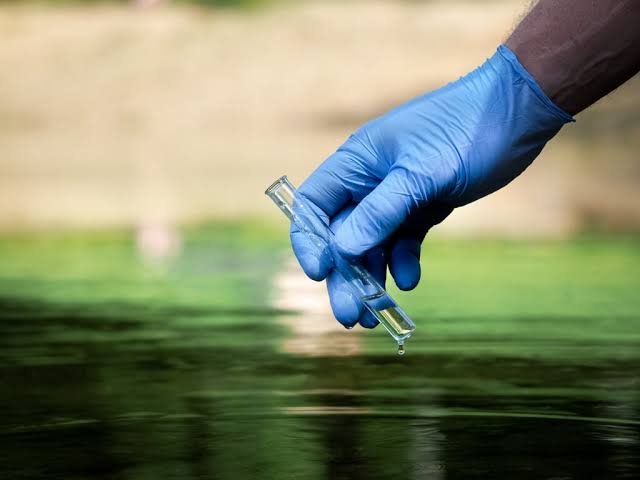
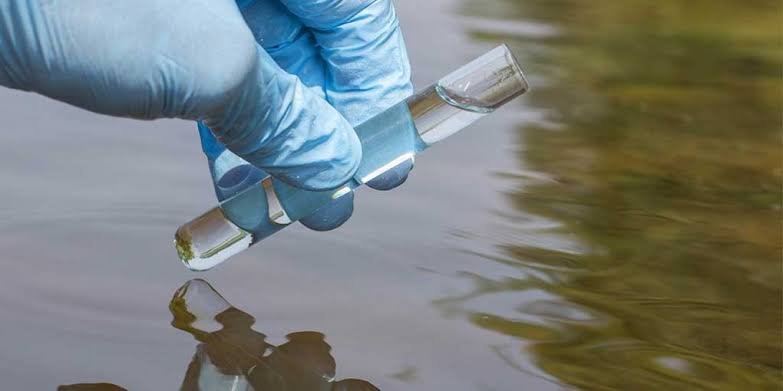
Professional water testing can provide useful information about characteristics such as hardness, pH, mineral levels, and other water-quality indicators. The exact testing needed depends on the source and the concerns you’re trying to investigate.
For households using private wells, testing is especially useful because conditions can change over time. Groundwater can be influenced by seasonal conditions, nearby land use, and changes in the surrounding environment.
Even if your water has always seemed fine, knowing what’s actually there can provide valuable peace of mind.
Not All Water Problems Are the Same
One of the biggest mistakes homeowners make is treating every water problem as if it were identical.
Hard water, for example, is mainly associated with minerals such as calcium and magnesium. It can leave deposits on fixtures and contribute to scale buildup in water heaters and appliances.
Another home might have a noticeable chlorine taste or odor. Someone else may be dealing with sediment, while a private well owner could have a completely different concern.
Each situation calls for a different response. A softener won’t solve every filtration issue, and a basic carbon filter isn’t designed to handle every possible contaminant.
That’s why testing first is so useful. It gives you a starting point.
What Does Quality Water Really Mean?
People often use the phrase quality water as though it has one universal definition. In reality, water quality depends on several factors and on how the water is intended to be used.
Water for drinking may have different treatment requirements than water used for laundry, bathing, irrigation, or industrial processes. Taste and odor may be the biggest concern for one household, while hardness and scale may matter more to another.
Good water treatment isn’t about making water “perfect.” It’s about identifying the characteristics that matter for your situation and using appropriate technology to address them.
That distinction can save both money and frustration.
Choosing the Right Treatment System
Once you understand your water, you can start looking at treatment options.
Activated carbon filtration is commonly used to improve taste and odor and can reduce certain substances depending on the filter. Water softeners are primarily designed to address hardness minerals. Reverse osmosis can provide more extensive treatment for drinking water, while ultraviolet systems may be considered for certain microbiological concerns.
There are also specialized filtration technologies for particular water conditions.
The important thing is to match the system to the problem. A product with dozens of features isn’t automatically better than a simpler system that does exactly what you need.
Why Professional Advice Can Be Valuable
Water treatment can get technical quickly. Flow rates, filter capacity, regeneration cycles, membrane performance, replacement schedules—it’s a lot to take in when all you really want is better water.
That’s where personalized service can make a real difference. A good water professional should take time to understand your water source, household size, usage patterns, and specific concerns before recommending equipment.
The conversation should feel like a consultation, not a sales pitch.
Ask questions. What does the system remove? How often does it need maintenance? What are the replacement costs? How long should the equipment last?
If the answers are clear and straightforward, you’re probably on the right track.
Consider the Whole House
It’s easy to focus only on drinking water because that’s what we consume directly. But water quality can affect much more of the home.
Hard water can contribute to mineral buildup around showerheads, faucets, and appliances. Sediment can affect plumbing and fixtures. Certain water characteristics may influence laundry, cleaning, and bathing.
This doesn’t necessarily mean you need a whole-house treatment system. It simply means you should think about where the problem occurs before deciding where treatment should happen.
Sometimes point-of-use treatment is enough. Other times, treating water as it enters the home makes more sense.
Maintenance Is Part of the Solution
Buying a water treatment system is only the beginning. Filters need replacing, tanks may require servicing, and certain systems need regular cleaning or regeneration.
Ignoring maintenance can gradually reduce performance. Worse, you may not notice the decline immediately because the system can continue running even when it’s no longer working as effectively as it should.
Keep a simple maintenance calendar. Write down installation dates and replacement schedules. It takes only a few minutes, and it can prevent the classic “I forgot the filter existed” problem.
For larger or more complicated systems, professional servicing may be worthwhile.
Don’t Let Price Be the Only Factor
Budget obviously matters, but the cheapest system isn’t always the most economical choice.
Consider the full cost over several years. Installation, replacement filters, maintenance, electricity, water usage, and service visits can all add up.
At the same time, don’t assume an expensive system is automatically superior. Look for clear specifications, appropriate certifications where relevant, transparent maintenance requirements, and a product designed for your actual water conditions.
Good value is about performance and practicality, not simply the number on the price tag.
A Smarter Approach to Better Water
The path to better water doesn’t need to be complicated. Start by understanding your water source and identifying the issue you’re trying to solve. Test when appropriate, compare treatment technologies, and ask professionals for explanations you can actually understand.
Most importantly, don’t buy equipment just because someone says you need it. Buy it because you understand the problem and know how the solution is supposed to help.
Water is part of almost every routine in the home. From the first glass in the morning to the evening shower, we depend on it constantly. Taking a little time to understand its quality—and choosing treatment accordingly—can make everyday life easier.
In the end, the best water treatment decision is often the least flashy one: a system that fits your needs, works reliably, and quietly does its job day after day.