Most homeowners don’t spend much time thinking about the water flowing through their homes. It’s simply there when the shower starts, when the coffee pot fills, or when the dishwasher runs after dinner. Because it’s such a constant part of everyday life, we often assume it’s working exactly as it should.
Then little things begin to catch our attention. Glasses come out of the dishwasher with cloudy spots. The shower leaves your skin feeling unusually dry. The water tastes slightly different than it used to, or you notice stains around faucets that seem impossible to scrub away.
Those small changes are often your home’s way of suggesting it’s time to take a closer look at what’s actually coming from the tap.
Every Home Has a Different Water Profile
It’s easy to believe everyone in the same town has identical water, but that’s rarely the case.
Water quality can vary because of local plumbing materials, neighborhood infrastructure, groundwater conditions, municipal treatment methods, or naturally occurring minerals. Even two homes on the same street may experience noticeably different water characteristics.
That’s why there isn’t one universal treatment system that’s perfect for everyone.
Understanding your home’s unique water conditions always leads to better long-term decisions than relying on assumptions or advertising alone.
Guesswork Often Leads to the Wrong Solution
When homeowners notice hard water stains or an unpleasant taste, the first instinct is often to buy a filtration system immediately.
While that reaction is understandable, purchasing equipment before identifying the actual issue sometimes solves the wrong problem.
The best water treatment recommendations are always based on facts rather than assumptions. Different homes may require water softeners, sediment filters, reverse osmosis systems, iron removal, activated carbon filtration, or combinations of several treatment methods.
Installing equipment that doesn’t match your water conditions rarely provides the results homeowners expect.
Why Testing Comes Before Treatment
Water may look perfectly clear while still containing minerals or contaminants that influence taste, plumbing performance, or appliance lifespan.
That’s one reason professional water testing is such an important first step.
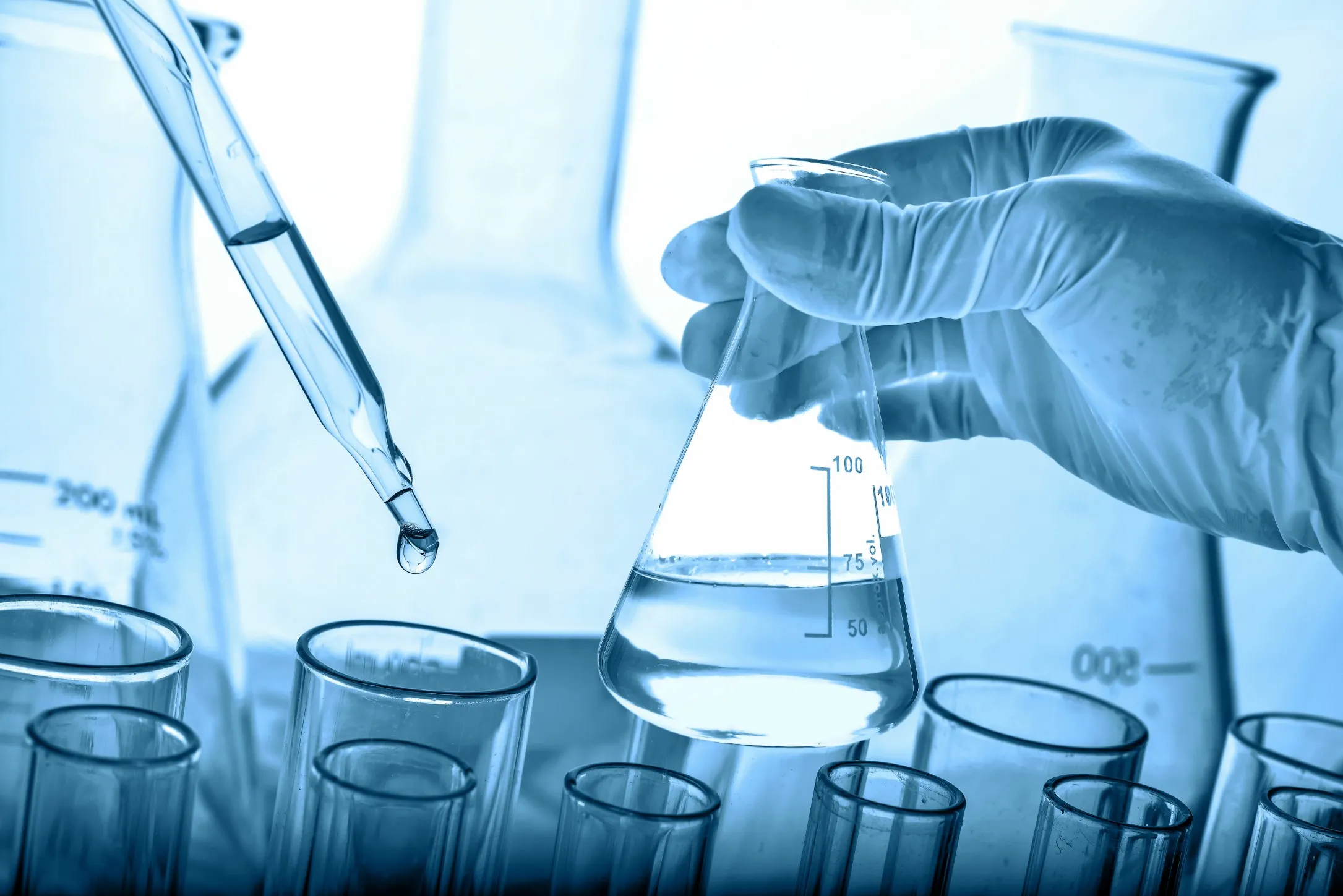
Testing identifies characteristics such as hardness, pH, chlorine, iron, sulfur, sediment, and other important water quality factors. Instead of wondering why appliances develop mineral buildup or why drinking water tastes unusual, homeowners receive reliable information that explains exactly what’s happening.
Once those results are available, choosing the appropriate treatment system becomes much more straightforward.
Knowledge removes uncertainty.
Water Quality Influences More Than Drinking
Most people associate cleaner water with drinking glasses and cooking, but household water affects much more than that.
It flows through showers, washing machines, dishwashers, water heaters, coffee makers, and every plumbing fixture throughout the house.
Hard minerals can gradually reduce appliance efficiency while increasing maintenance requirements. Soap may lather differently, clothing may feel rougher after washing, and fixtures often require more frequent cleaning because of mineral deposits.
Improving water quality creates benefits throughout the home rather than only at the kitchen sink.
Every Household Has Different Priorities
Some families are primarily concerned about improving drinking water.
Others want to reduce hard water scale that shortens appliance life. Some homeowners hope to eliminate unpleasant odors, while others simply want softer water for bathing and laundry.
Because those priorities vary, treatment systems should be selected based on actual household needs instead of following general trends.
The goal isn’t installing the largest filtration system available.
It’s choosing equipment that solves the specific concerns identified during testing.
Better Water Improves Everyday Comfort
Many homeowners are surprised by how many subtle improvements appear after addressing water quality.
Hair often feels softer after showering. Dishes dry with fewer spots. Coffee develops a cleaner flavor. Soap rinses more easily, and plumbing fixtures remain cleaner between deep cleanings.
These aren’t dramatic overnight transformations.
Instead, they become quiet improvements that make everyday routines more enjoyable without demanding attention.
That’s often the greatest value of cleaner water.
Clear Solutions Begin With Clear Information
One of the biggest mistakes homeowners make is assuming every water issue requires the same treatment.
The truth is, clear water solutions begin with clear information.
Testing provides the facts needed to understand exactly what your home requires. Once the source of the problem is identified, selecting appropriate equipment becomes far easier and usually much more cost-effective.
Rather than spending money on unnecessary products, homeowners invest in systems designed specifically for their water.
That personalized approach almost always delivers better long-term results.
Maintenance Protects Your Investment
Installing a treatment system isn’t the final step.
Like any household equipment, filtration and water treatment systems perform best when properly maintained. Replacing filters, replenishing softener salt where appropriate, sanitizing equipment, and scheduling periodic inspections all help maintain consistent water quality.
Routine maintenance also allows technicians to identify small concerns before they become larger problems.
Protecting your investment requires surprisingly little effort when maintenance is performed regularly.
Better Water Starts With Better Decisions
Every day, your home’s water supports dozens of routines that most people barely notice.
It helps prepare meals, cleans dishes, fills washing machines, powers water heaters, and provides the comfort of a warm shower after a long day. Because water touches nearly every part of daily life, improving its quality often creates benefits far beyond what homeowners initially expect.
The smartest approach isn’t rushing to purchase equipment or assuming every home has the same needs.
Instead, it begins by understanding your water, evaluating reliable test results, and choosing treatment designed specifically for your household.
When thoughtful planning, accurate testing, and properly selected equipment come together, cleaner water becomes something you experience every single day without having to think about it. Better-tasting beverages, longer-lasting appliances, easier cleaning, and greater confidence in your home’s water all begin with one simple step—learning exactly what’s flowing from your tap before deciding how to improve it.
Sometimes the best home improvements don’t start with buying something new. They start with understanding what you already have.