Water is one of those everyday essentials that rarely gets much attention until something goes wrong. Perhaps your morning tea tastes different, white deposits keep appearing around the kitchen tap, or a commercial dishwasher seems to need repairs more often than it should. These little signs can be frustrating, especially when you’re not sure what’s causing them.
The truth is, water quality can vary considerably from one property to another. Your water source, local geology, plumbing, and storage arrangements can all influence what comes out of the tap. Fortunately, many common water problems can be managed with the right information and suitable treatment equipment.
Whether you’re looking after a family home or running a busy business, the best starting point is surprisingly simple: understand your water before deciding how to improve it.
Why Knowing Your Water Quality Matters
Clear water isn’t necessarily free from contaminants, just as an unusual taste doesn’t automatically mean the water is unsafe. Some problems are easy to recognise, while others require proper testing to identify.
Hard water, for example, contains elevated levels of calcium and magnesium. It can leave mineral deposits on taps, reduce soap lather, and contribute to scale inside water heaters and appliances. Sediment may cause cloudy water or collect in fixtures, while chlorine can affect taste and smell. Other concerns, including certain metals, chemicals, and microorganisms, may not be visible at all.
This is why water testing is such a useful first step. A suitable test can help identify hardness, pH, dissolved solids, and particular contaminants relevant to your water source. Private wells and borewells may require additional checks based on local risks, while properties using municipal supplies can benefit from investigating problems that arise within their own plumbing or storage systems.
Testing also prevents unnecessary spending. If your main issue is hardness, you may not need an expensive drinking-water purification system. If a specific contaminant is present, however, a basic carbon filter might not be enough.
The aim is to identify the problem accurately and choose equipment that addresses it.
Practical Ways to Improve Water at Home
For homeowners, water quality often becomes noticeable through ordinary household tasks. You might find yourself scrubbing stubborn deposits from bathroom fixtures, replacing a kettle more frequently, or buying bottled water because the tap water doesn’t taste quite right.
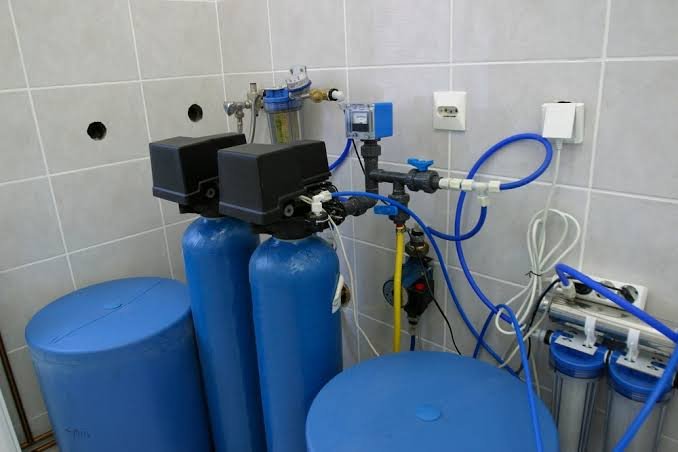
The appropriate solution depends on what’s causing the problem. Sediment filters can capture suspended particles, while activated carbon filters may reduce chlorine taste and odour. Reverse osmosis systems can reduce many dissolved substances when properly selected and maintained. Each technology has a different purpose, so checking verified performance claims is essential.
For many households, residential solutions begin with a simple assessment of the water supply, followed by treatment tailored to the family’s needs. A home with hard water may benefit from a properly sized softener, while a household concerned about drinking water may prefer a filter installed beneath the kitchen sink.
Some homes need more than one treatment stage. For instance, sediment filtration may protect downstream equipment, while another technology addresses a particular dissolved contaminant. The arrangement should be based on testing rather than the assumption that more filters automatically mean better water.
It’s also worth thinking about convenience. Will the system fit in the available space? Are replacement cartridges easy to find? How much maintenance is required? A system that suits your routine is more likely to be looked after properly.
Managing Water Quality in Commercial Properties
Businesses face many of the same water problems as households, but the consequences can be more expensive. Restaurants depend on water for food preparation, dishwashing, coffee machines, and ice production. Hotels need consistent water quality across kitchens, bathrooms, laundry facilities, and heating systems. Offices require dependable drinking water and functioning appliances.
Even modest water-quality issues can affect daily operations. Scale may accumulate inside equipment, sediment can interfere with valves, and unpleasant tastes may affect customer experiences. In facilities with heavy water demand, the right treatment system can help reduce avoidable maintenance and support consistent performance.
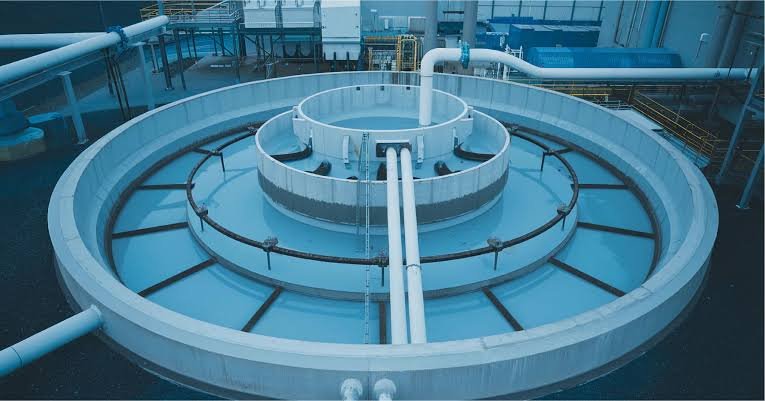
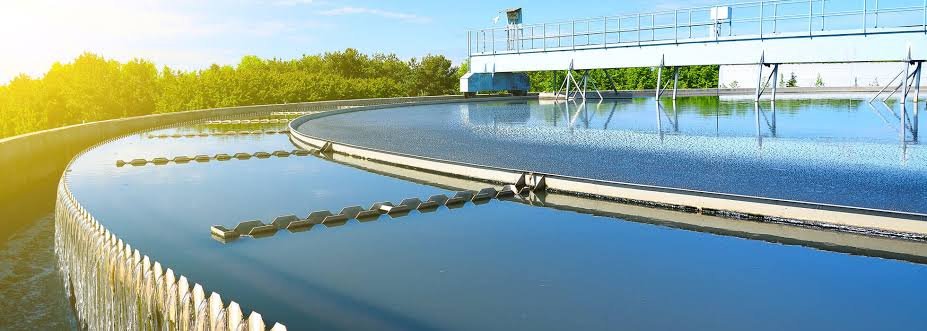
Commercial solutions should account for the building’s size, peak water demand, equipment requirements, and the characteristics of the incoming supply. A small café may need point-of-use filtration for beverage preparation, while a hotel might require a combination of central treatment and filters for specific machines.
Capacity is particularly important. A system that performs well during quiet periods may struggle when several appliances run at once. Before choosing equipment, estimate typical and peak consumption, check the manufacturer’s flow specifications, and consider whether future expansion is likely.
Businesses should also distinguish between drinking-water treatment and process-water treatment. Equipment designed to improve beverage taste may not be suitable for a boiler, manufacturing process, or other specialised application. The required water quality depends on how the water will actually be used.
Choosing Between Filtration, Softening, and Other Treatments
Water treatment isn’t a one-size-fits-all purchase. Different technologies solve different problems, and understanding the distinctions helps avoid disappointing results.
Water softeners are primarily designed to reduce hardness minerals. They can help control scale, but they don’t automatically remove bacteria, sediment, or every chemical contaminant. Carbon filters are useful for certain taste, odour, and chemical concerns, yet they aren’t universal purifiers. Reverse osmosis can reduce a broad range of dissolved substances, although performance depends on the system and the substances involved.
Some properties may also need disinfection, iron removal, or specialised filtration. For groundwater supplies, treatment should be selected according to laboratory findings and local contamination risks.
Before buying, ask what the equipment is designed to remove and whether its performance has been independently verified. Look at operating costs as well as the initial price. Replacement filters, salt, electricity, water use, and professional servicing can all affect the long-term expense.
A reliable supplier should explain these details clearly rather than making sweeping promises about perfectly pure water.
Maintenance Is Part of the Investment
Even well-designed equipment needs regular attention. Filters have replacement intervals, softeners require appropriate servicing, and some systems need periodic performance checks. When maintenance is neglected, treatment effectiveness may decline.
Keep a simple record of installation dates, filter changes, service visits, and any unusual changes in water taste, smell, or pressure. For businesses, assigning responsibility to a staff member can help ensure that maintenance doesn’t get overlooked during busy periods.
If water quality changes suddenly, investigate rather than assuming the treatment system will correct it automatically. Depending on the circumstances, further testing or professional advice may be needed.
Making a Better Decision for the Long Term
Improving water quality doesn’t have to mean investing in the biggest or most expensive system available. It means understanding your supply, identifying genuine concerns, and choosing equipment that suits your property and budget.
Start with reliable testing, compare treatment methods carefully, and consider how much maintenance you’re willing to manage. For more complex problems, a qualified water treatment professional can help interpret results and recommend an appropriate setup.
Good water management often works quietly in the background. At home, it may mean easier cleaning and better-tasting drinking water. In a business, it can support smoother operations and help protect valuable equipment.
Those benefits begin with a straightforward decision: stop guessing about your water and start understanding it. Once you know what needs attention, finding a practical solution becomes a much more manageable task.