Water is part of nearly every routine at home. We use it to make coffee, wash clothes, clean dishes, take showers, and keep our homes running. Because it flows so easily from the tap, it’s easy to forget that its mineral content can affect everything from the condition of bathroom fixtures to the performance of household appliances.
Sometimes, the signs are obvious. White marks appear on glassware, soap leaves a stubborn film in the shower, or a kettle develops a chalky layer inside. Other effects are less noticeable, and homeowners may not connect them with their water supply at all.
Understanding water quality doesn’t mean assuming that something is wrong with every tap. It means recognizing common patterns, knowing when testing may help, and choosing practical solutions based on evidence rather than guesswork.
Understanding the Minerals in Your Water
Water naturally collects minerals as it moves through soil and rock. Among the most common are calcium and magnesium, which are responsible for water hardness. The amount present depends on local geology and the source supplying the home.
These minerals aren’t automatically harmful. Calcium and magnesium are essential nutrients, and their presence in drinking water doesn’t, by itself, indicate a safety problem. However, higher concentrations can create maintenance challenges around the house.
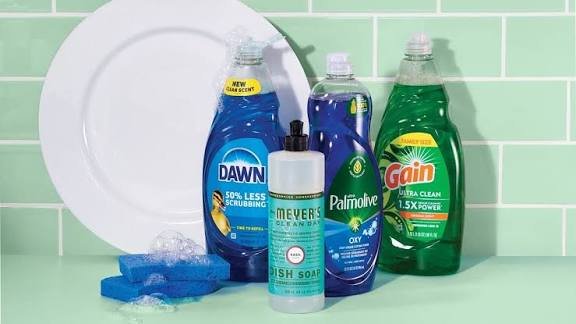
When mineral-rich water evaporates, it can leave behind white or cloudy residue on faucets, shower doors, dishes, and glassware. Soap may also behave differently, producing less lather and leaving deposits on surfaces. As a result, people living with hard water sometimes find themselves cleaning the same areas again and again.
The impact can become more significant when water is heated. Minerals may gradually accumulate inside equipment, particularly where hot water is used regularly. The speed of buildup varies with hardness, temperature, and household water consumption.
If you’re unsure whether hardness is causing your household problems, a simple water hardness test can provide a useful starting point. It gives you a measurable result and helps determine whether softening equipment might be worthwhile.
Why Your Water Heater Deserves Attention
Hot water is something most people expect to have whenever they need it. A warm shower before work, a sink full of hot dishwater, or a load of laundry shouldn’t require much thought. Yet mineral buildup can gradually affect the equipment responsible for supplying it.
Inside a water heater, calcium and magnesium may form scale on heating elements or internal surfaces. This can interfere with heat transfer and, depending on the equipment and severity of buildup, contribute to reduced efficiency or additional maintenance.
Tank-style heaters can accumulate sediment at the bottom, while tankless models may experience mineral deposits in heat exchangers and narrow water passages. The symptoms aren’t always dramatic at first. You might notice unusual noises, fluctuating temperatures, or a change in performance, although these signs can also result from unrelated mechanical issues.
Routine maintenance can help keep heating equipment in good condition. Depending on the model and local water conditions, this may include flushing the tank, inspecting components, or arranging professional descaling. Always follow the manufacturer’s maintenance guidance rather than assuming every heater requires the same service schedule.
Water softening can help reduce new hardness-related scale, but it isn’t a repair for an existing mechanical fault. If your heater is making unusual noises, leaking, or failing to deliver consistent hot water, have it inspected by a qualified technician.
Can Hard Water Affect Skin and Hair?
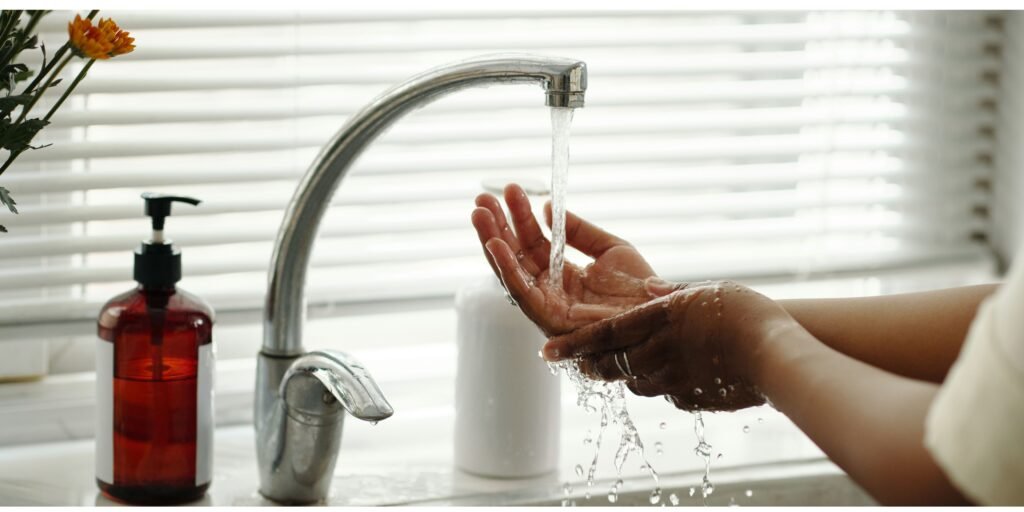
A long shower is often a small comfort at the end of a busy day. But some people find that their skin feels tight afterward or their hair seems difficult to rinse. When this happens repeatedly, water quality may be one factor worth considering.
Hard water can interact with soap and shampoo, making it harder to rinse away residues completely. Some people report that their hair feels rougher or that their skin feels less comfortable after bathing. The effect varies considerably, though, and not everyone experiences the same reaction.
The connection between dry skin and hair and hard water isn’t straightforward. Skin conditions, weather, bathing habits, water temperature, and personal care products can all contribute to dryness or irritation. Hard water may aggravate discomfort for some individuals, but it shouldn’t automatically be blamed for persistent symptoms.
A few simple changes may help. Try using warm rather than very hot water, avoid unnecessarily long showers, and choose a gentle cleanser suited to your skin. A moisturizing product applied after bathing may also help retain moisture.
If you suspect hard water is contributing to the problem, test your water before investing in a treatment system. A softener may improve soap performance and reduce mineral residue, but it isn’t a medical treatment for eczema or other skin conditions. Persistent irritation, itching, or unusual hair loss deserves advice from an appropriate healthcare professional.
Recognizing Other Water Quality Concerns
Mineral hardness is only one part of the water quality picture. Depending on the source, water may also contain sediment, iron, manganese, disinfectant residuals, or other substances that affect taste, appearance, or suitability for particular uses.
Iron, for example, can produce orange or reddish-brown stains on sinks, toilets, and laundry. Manganese may contribute dark staining. A chlorine-like taste or smell may occur in municipal water because chlorine is used to control harmful microorganisms during distribution.
These clues can help identify what to investigate, but appearance and smell cannot confirm that water is safe. Some contaminants have no noticeable taste or odor. Private well owners should arrange regular testing through a qualified laboratory, while municipal customers can review their supplier’s water quality report and seek additional testing when household plumbing or specific concerns warrant it.
Different problems call for different solutions. A sediment filter may trap suspended particles, activated carbon may reduce chlorine taste and odor, and specialized treatment equipment may address particular minerals. Reverse osmosis can reduce many dissolved substances when the system is designed for them. No single filter is effective against every possible contaminant.
Choosing the Right Water Treatment Option
Once you understand the problem, choosing equipment becomes much easier. The key is matching the technology to the water conditions and the outcome you want.
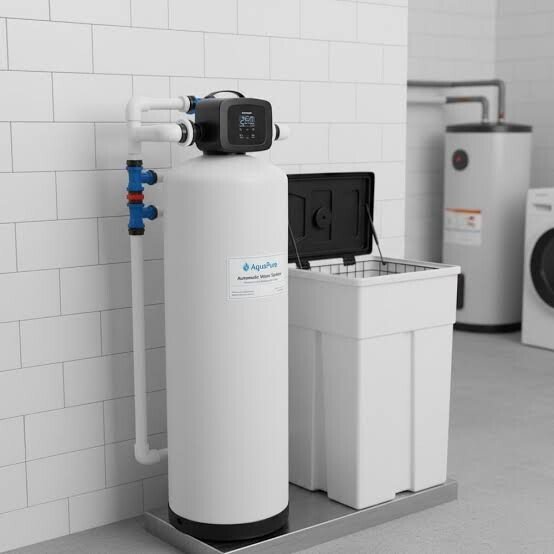
For households with elevated hardness, a conventional water softener may reduce calcium and magnesium through ion exchange. This can limit new scale formation and help soaps work more effectively. However, softeners require proper sizing, maintenance, and a suitable drainage arrangement.
If your main concern is drinking water taste, a point-of-use carbon filter might be enough. If several water quality problems are present, a combination of treatment methods may be more appropriate. In some situations, the best solution is a plumbing repair rather than another piece of equipment.
Before purchasing a system, ask for clear information about performance, installation costs, replacement parts, and maintenance requirements. Check whether the product has independent certification for the contaminants it claims to reduce. Be cautious of broad promises that suggest one device can solve every water problem.
Small Steps Can Make a Lasting Difference
Improving household water quality doesn’t have to begin with an expensive installation. Start by noticing recurring issues, reviewing available water quality information, and testing when necessary. These steps can help distinguish an actual water problem from an unrelated plumbing or maintenance issue.
When treatment is appropriate, selecting the right system can make cleaning easier, reduce mineral scale, and help protect equipment from certain water-related problems. Regular servicing then keeps that investment working as intended.
Ultimately, good water management is about understanding what comes into your home and making sensible decisions about it. You don’t need to chase perfect water or buy every product on the market. You simply need reliable information, a solution suited to your household, and a little ongoing attention. Those practical choices can make everyday life more comfortable, one tap at a time.