Clean water is something most people rarely think about until it starts causing problems. Maybe your drinking water has an unpleasant taste, your bathroom fixtures are covered in white mineral deposits, or your business equipment seems to need more frequent cleaning than it used to. These issues can be frustrating, and figuring out what to do about them isn’t always straightforward.
Water quality varies from one location to another. Some properties struggle with hard water, while others may have concerns involving chlorine, sediment, iron, or particular contaminants. The right solution depends on what’s actually present in the water, how it’s used, and what the property needs.
That is why choosing a dependable water treatment company matters. A good provider should do more than sell equipment. They should help you understand your water, explain suitable treatment options, and provide support long after installation.
Understanding Your Water Quality Challenges
Before investing in treatment equipment, it helps to identify the problem you’re trying to solve. Water that looks clear isn’t necessarily free from every contaminant, and water that leaves mineral spots isn’t automatically unsafe to drink.
Hard water contains dissolved calcium and magnesium. These minerals can leave deposits on faucets, shower doors, and appliances. A properly sized water softener can reduce hardness and help limit scale buildup throughout the plumbing system.
Other households may notice chlorine odors or an unpleasant taste in their drinking water. Depending on the source and the specific concern, activated carbon filtration may improve taste and odor. Reverse osmosis systems can reduce various dissolved substances when designed and certified for the relevant contaminants.
Properties using private wells may need additional attention. Depending on local conditions, testing could include bacteria, nitrates, metals, or other substances that affect water quality. The appropriate tests should be selected according to the water source and potential risks.
Reliable water treatment solutions begin with understanding these differences. Rather than recommending the same equipment to every customer, a knowledgeable provider should use test results, household requirements, and the system’s intended purpose to guide the decision.
Why Professional Water Testing Is Worthwhile
Water testing provides a clearer starting point than guessing based on taste, smell, or appearance. It can help establish whether hardness is the main issue, whether a particular contaminant needs investigation, or whether several treatment methods may be necessary.
A basic screening may measure properties such as hardness, pH, iron, or chlorine. However, no single test checks for every possible contaminant. If there is a specific health concern, laboratory analysis using appropriate methods may be necessary.
Homeowners should ask what a company’s water test includes, how samples are collected, and whether the results will be provided in writing. If the provider offers free testing, confirm whether it is a preliminary screening or a more comprehensive analysis.
The results should also be explained in plain language. Customers need to understand what was measured, what the findings mean, and which issues require further attention. A test should inform a recommendation, not become a reason to pressure someone into buying expensive equipment.
For businesses, testing can be particularly important when water quality affects operations. Restaurants, hotels, manufacturing facilities, and healthcare environments may have different requirements, depending on their activities and applicable regulations.
Choosing Equipment That Fits Your Needs
Once the water quality is understood, the next step is comparing treatment options. The best system depends on the problem, the volume of water used, the available installation space, and the budget for equipment and ongoing care.
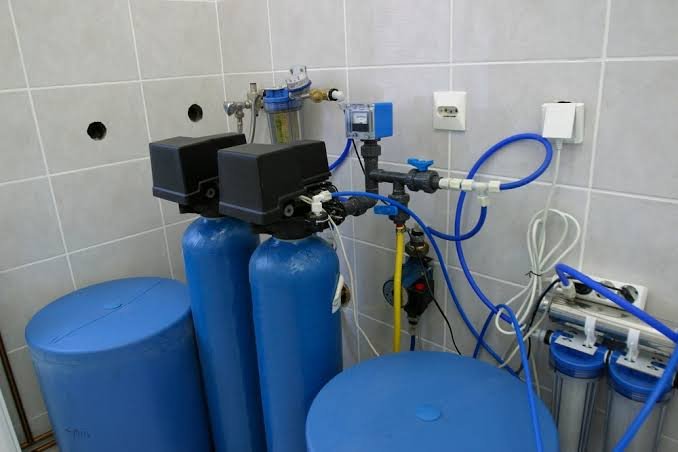
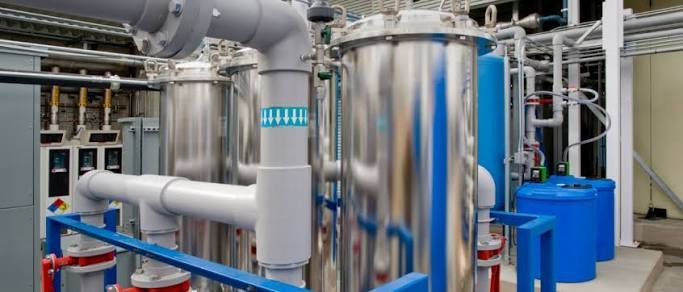
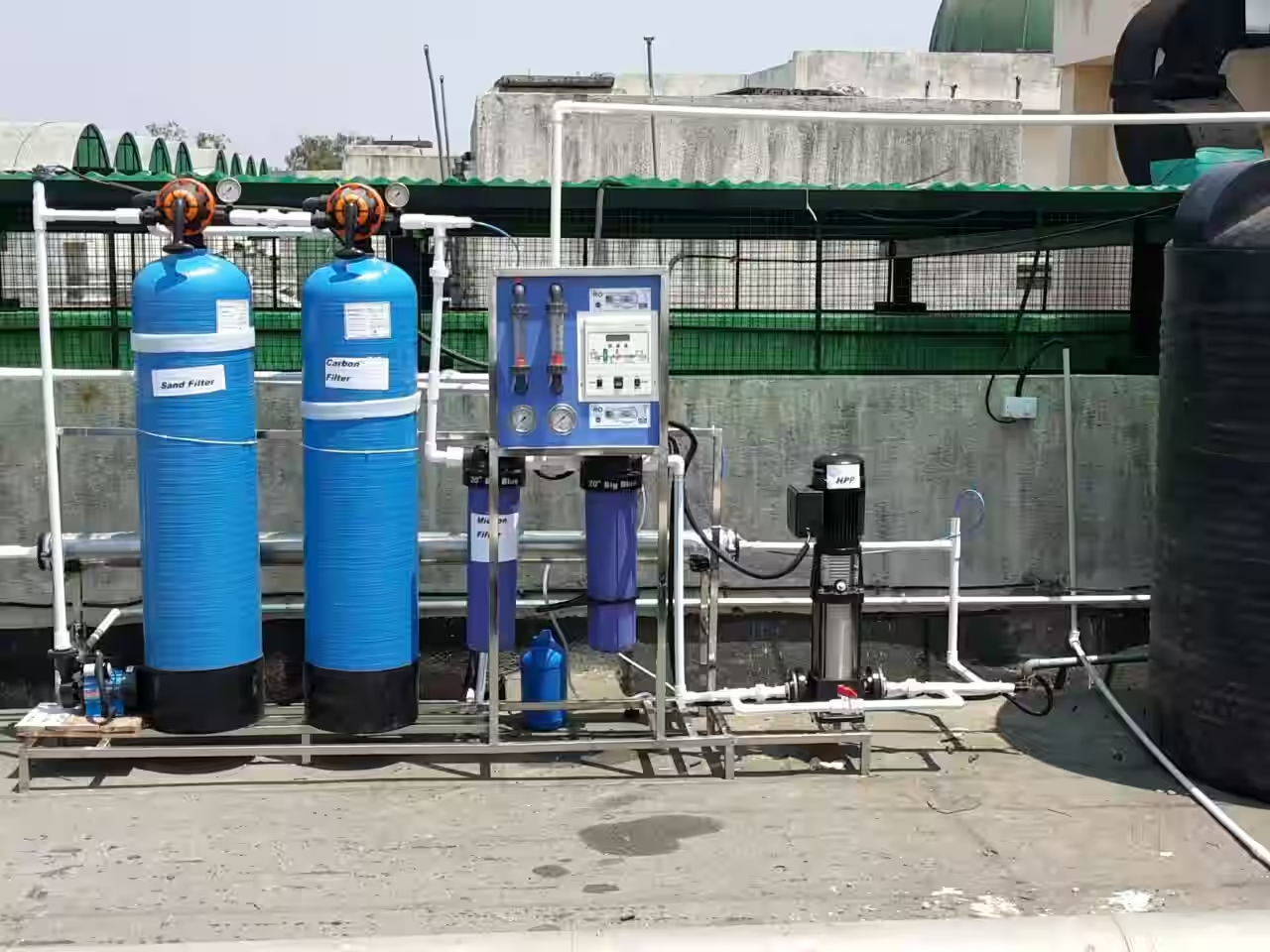
A whole-house filtration system treats water entering the property, although its effectiveness depends on the media and contaminants it is designed to address. A point-of-use filter treats water at a particular tap, which can be useful when the main concern relates to drinking or cooking water.
Water softeners address hardness minerals through ion exchange, while reverse osmosis systems use a membrane to reduce many dissolved substances. Ultraviolet disinfection systems can inactivate susceptible microorganisms when correctly designed and operated, but they do not remove dissolved chemicals or particles.
These technologies are not interchangeable. A softener won’t disinfect contaminated water, and a standard carbon filter should not be assumed to remove every harmful substance.
Ask providers to explain the expected performance of each recommended system. Look for relevant independent certifications, clear specifications, and realistic claims. It’s also worth considering replacement filters, salt consumption, wastewater, servicing requirements, and warranty coverage before making a final decision.
Looking Beyond Price When Comparing Providers
Price naturally matters, but the cheapest quote doesn’t always represent the best long-term value. One company may include installation and follow-up testing, while another may quote only for the equipment itself.
Request a written estimate that explains the equipment, labor, additional plumbing work, and expected recurring expenses. For larger installations, ask whether permits or inspections are necessary and who will arrange them.
It’s also important to understand the company’s experience with your particular water problem. A provider familiar with well-water treatment may have different expertise from one that mainly installs residential softeners. Neither is automatically better; the right choice depends on your needs.
Independent customer reviews can offer useful clues about a company’s reliability. Look for recurring comments about communication, punctuality, installation quality, and how service problems were handled. A few negative reviews don’t necessarily tell the whole story, but consistent complaints about unresolved issues deserve attention.
Ask potential providers whether they offer maintenance plans, replacement parts, troubleshooting, and assistance if the system stops performing as expected. Long-term support can make a significant difference, especially when the equipment serves an entire property.
Why Ongoing Service and Maintenance Matter
Water treatment systems require care to remain effective. Filters eventually need replacing, softeners need salt and periodic checks, and some equipment requires cleaning or component inspections according to manufacturer instructions.
Ignoring maintenance can lead to reduced water flow, diminished treatment performance, or avoidable equipment failures. In some cases, a system may continue operating even though a filter has reached the end of its useful life.
A dependable company should explain the recommended service schedule and make it clear which tasks homeowners can perform themselves. Keep records of installation dates, filter changes, repairs, and water test results. These details can help identify recurring problems and make future servicing easier.
Commercial customers may benefit from scheduled inspections and documented service arrangements because unexpected downtime can affect daily operations. The frequency of service should reflect equipment specifications, water conditions, usage, and the consequences of failure.
Before signing a service agreement, review the terms carefully. Confirm which visits and parts are included, whether emergency assistance costs extra, and how the company handles warranty claims.
Checking Service Availability in Your Area
Even a highly regarded water treatment provider may not be the right fit if it cannot reliably serve your property. Travel distance, technician availability, access to replacement parts, and local knowledge can all affect the customer experience.
Review the company’s service areas before arranging an assessment. Ask whether your address falls within its regular coverage, whether installation and follow-up visits are available, and whether emergency appointments are offered when necessary.
Local experience can be helpful because water characteristics may vary considerably between communities. A provider familiar with regional hardness levels, groundwater conditions, or municipal water supplies may be better prepared to ask the right questions. Still, recommendations should be based on testing rather than assumptions about a neighborhood.
For businesses with several properties, confirm whether the company can support each location consistently. Having a clear point of contact and documented service history can simplify maintenance across multiple sites.
Making a Confident Decision About Your Water
Choosing a water treatment company doesn’t have to feel overwhelming. Start by identifying the concerns you’re experiencing, arrange appropriate testing, and compare providers based on technical knowledge, transparent pricing, equipment performance, and ongoing support.
Be cautious of promises that one system will solve every water problem. Effective treatment is specific to the water being treated, and some concerns require different technologies or additional testing.
A good provider will explain the options, discuss limitations, and help you understand the costs before you commit. That kind of honest guidance is valuable whether you’re treating drinking water at home or managing water quality for a busy commercial property.
In the end, the goal isn’t simply to install a machine. It’s to find a practical, dependable way to improve the water you use every day, backed by professionals who understand your needs and remain available when questions arise.